
Melochia villosa
Melochia villosa
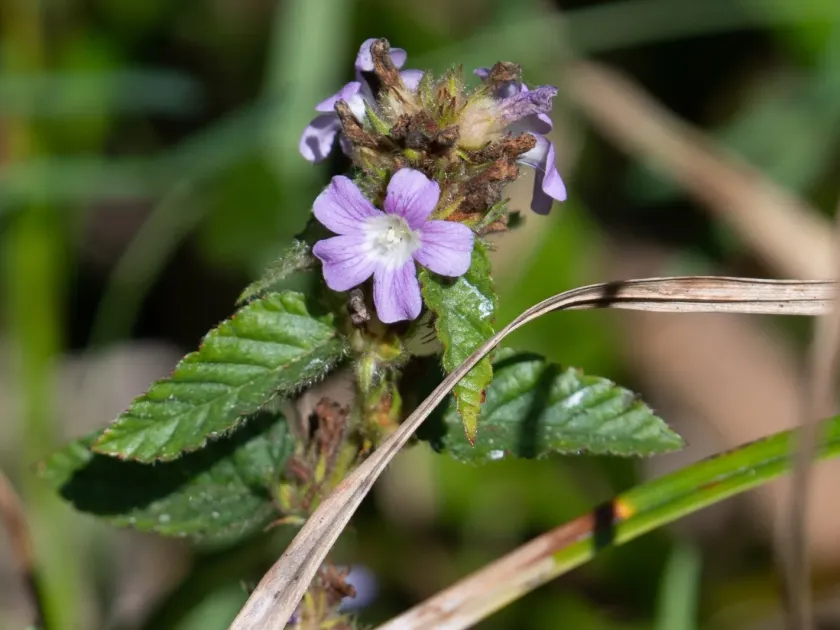
Description
Growing requirements
Melochia villosa is a perennial herbaceous plant belonging to the Malvaceae family. Recognized for its pubescent stems and leaves, this species is increasingly studied as a potential agricultural crop in tropical and subtropical regions for various industrial and feed purposes.
The natural range of this plant is primarily situated in Central and South America. It is typically found in open habitats, including disturbed lands and pastures, where it exhibits strong colonization abilities due to its ecological adaptability to varying soil quality.
The crop thrives in warm, tropical climates and requires plenty of solar radiation for optimal biomass production. It is highly sensitive to frost, which limits its geographical distribution to frost-free zones where temperature fluctuations are minimal throughout the year.
In terms of cultivation, Melochia villosa prefers well-drained soil types. Proper site selection is crucial, as the root system is susceptible to waterlogging. While it can survive in nutrient-poor soils, fertilization with moderate nitrogen levels can significantly boost growth rates.
Economically, the plant is primarily utilized as a source of forage for livestock in its native regions. Furthermore, the fibrous nature of its stems has sparked interest in its potential application in the textile or paper industries, though further processing research is needed.
Main diseases and pests
The primary threats to Melochia villosa cultivation include various leaf-feeding insects and beetles. Fungal pathogens, particularly those causing leaf spot and stem blight, can become significant issues during periods of high humidity and rainfall.