
Mountain linden
Tilia monticola
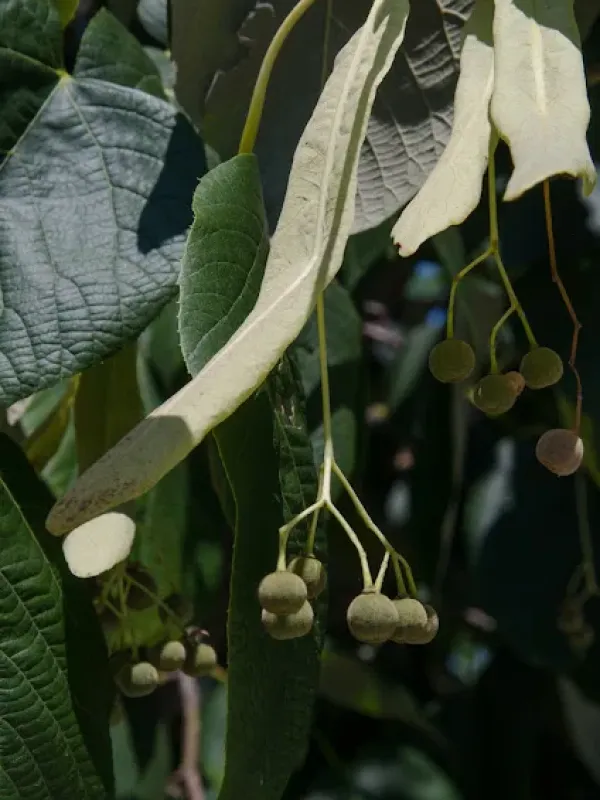
Description
Sowing dates
Seeds of Tilia monticola should be sown in the autumn to benefit from natural stratification during the winter season.
If spring sowing is planned, seeds must undergo cold stratification in moist sand for at least 3 to 5 months to break dormancy.
The sowing depth is typically 2-3 centimeters in well-prepared, loose soil that ensures good contact between the seed and the substrate.
Seedbeds should be kept consistently moist throughout the germination phase, which usually lasts several weeks in the spring.
Young seedlings benefit significantly from shading during their first growing season to prevent overheating and dehydration.
Growing requirements
Mountain linden is a member of the Malvaceae family, thriving naturally in cool, elevated environments with high soil fertility.
The tree prefers deep, loamy, and well-drained soils that are rich in organic matter and have a neutral or slightly acidic pH level.
It demands sufficient soil moisture but cannot tolerate long-term waterlogging, which often leads to root rot issues.
As a mountain-origin species, it has a high tolerance for cold winters, but it is sensitive to intense summer heat and dry winds.
Regular mulching around the base is recommended to regulate soil temperature and retain moisture during the growing season.
Yield
Tilia monticola is primarily recognized for its high-quality honey production, making it a critical species for apiaries and beekeepers.
The timber is highly valued in woodworking, carving, and instrument manufacturing due to its fine texture and ease of processing.
It serves as an excellent ornamental species for parks and urban landscapes, contributing to biodiversity and microclimate stabilization.
Sustainable forest management allows for the harvesting of biomass and timber while maintaining the ecological health of the stand.
Proper pruning techniques are essential to improve tree structure, which maximizes the growth rate and quality of the wood production.
Main diseases and pests
Typical pests include various species of aphids and defoliating insects like linden moths that can weaken the tree if uncontrolled.
Fungal diseases, including leaf spot and anthracnose, often emerge under conditions of poor air circulation or excessive humidity.
Canker diseases can affect the main trunk, particularly if the tree has been stressed by mechanical damage or unfavorable site conditions.
Sanitation practices such as removing fallen leaves and pruning dead branches are key to reducing the inoculum of fungal pathogens.
Monitoring for pest outbreaks in early spring is vital to apply effective integrated pest management strategies early on.