
Microcos tomentosa
Microcos tomentosa
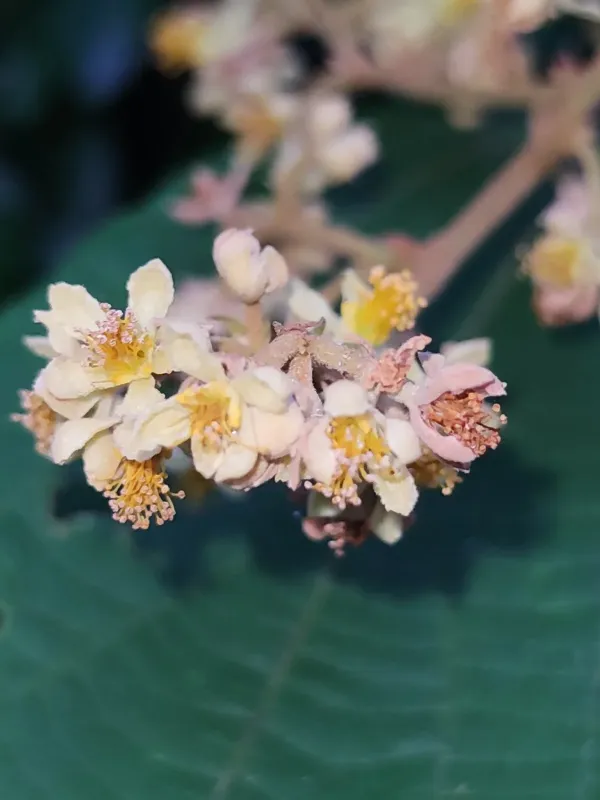
Description
Growing requirements
Microcos tomentosa is a woody perennial belonging to the Malvaceae family, native to the tropical regions of Africa. It is a distinct species known for its resilience and utility in local traditional practices within its natural distribution range.
The plant thrives in tropical climates characterized by high temperatures and significant rainfall. It requires well-drained, nutrient-rich soil to support its growth, as it is highly sensitive to waterlogging and cannot tolerate frost under any circumstances.
Botanically, it is defined by its tomentose (felt-like) leaves, which provide a unique texture and play a role in the plant's physiological regulation of moisture. It typically grows as a large shrub or a medium-sized tree in natural forest clearings.
Agricultural management of the species focuses on ensuring adequate spacing for canopy development and maintaining soil fertility through organic amendments. Pruning is often practiced to manage the height and improve the quality of bark harvested for medicinal use.
The cultural and economic value of Microcos tomentosa is primarily centered on its medicinal properties, where its bark is utilized for its healing potential. Furthermore, its biomass serves as a source of fuel and timber in rural agricultural settings.