
Melochia melissifolia
Melochia melissifolia
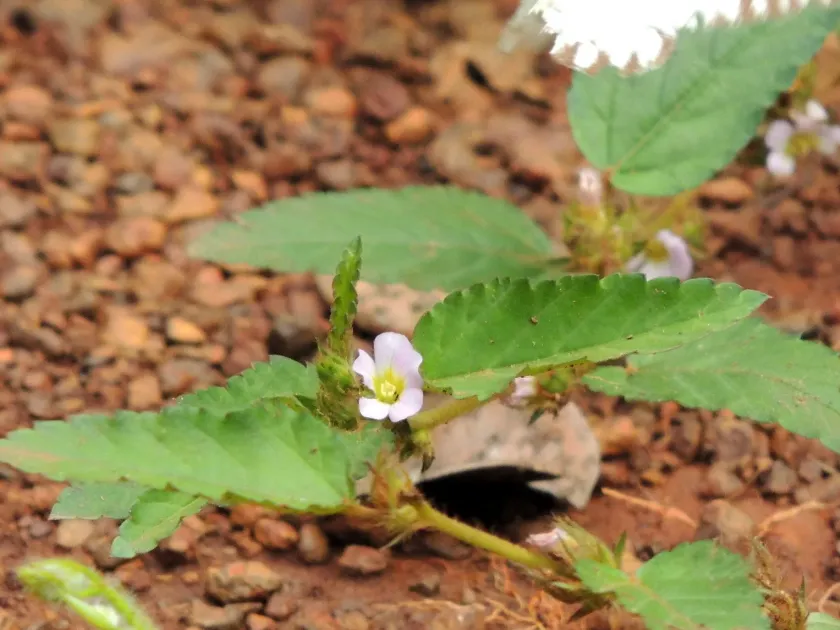
Description
Sowing dates
Melochia melissifolia belongs to the Malvaceae family, a group of plants known for their diverse biological adaptations. This tropical crop requires warm conditions for successful germination and early establishment.
Sowing typically occurs at the onset of the rainy season to capitalize on naturally high soil moisture and warm temperatures. In controlled environments, seeds are sown when soil temperatures consistently remain above 20°C.
Seedbed preparation involves deep cultivation and the removal of weeds to reduce competition. Seeds should be placed at a shallow depth of 1-2 cm to facilitate rapid emergence in the moist substrate.
The spacing between plants depends on the intended yield goal. Higher plant densities are preferred for biomass production, while wider spacing is utilized when focusing on individual plant development or seed production.
Uniformity in sowing is critical for standardizing the harvest window. Regular moisture levels must be maintained during the first two weeks post-planting to ensure optimal germination and early root development.
Growing requirements
As a tropical species, Melochia melissifolia thrives in high-temperature environments. It requires a constant, warm climate to complete its vegetative growth cycle effectively.
Soil requirements include well-drained, fertile loams that do not retain excess water. Waterlogging is detrimental to this species and often leads to root rot and significant stand loss during the growing season.
Solar radiation plays a vital role in the plant's development and secondary metabolite accumulation. Full sunlight exposure is necessary to prevent etiolation and ensure the production of high-quality plant material.
Adequate irrigation is essential in regions where rainfall is irregular. Consistent moisture availability promotes steady biomass accumulation and improves the overall quality of the fiber or extractable components.
Fertilization regimes should be balanced, prioritizing nitrogen during the early growth phase and phosphorus for root development. Regular weeding and soil aeration help maintain a healthy rhizosphere.
Yield
The yield of Melochia melissifolia is heavily dependent on management intensity and environmental conditions. With proper irrigation and nutrient management, multiple cuts can be achieved within a single season.
Economic utility is derived primarily from its fiber content and chemical compounds found in the leaves. Harvesting at the appropriate phenological stage is crucial to maximize the quantity and quality of the raw material.
Biomass production is generally high in suitable tropical settings, making the crop a viable candidate for fiber extraction or green manure applications. Yield stability is contingent upon managing pest and disease pressure.
Strategic harvesting cycles are employed to balance between individual plant size and biomass quality. Early harvest generally yields softer, more desirable fibers for specific textile applications.
Data monitoring and yield mapping can help improve the production efficiency of Melochia melissifolia in commercial plantations. Optimized techniques allow for sustained high production over several years.
Main diseases and pests
Common pests include various leaf-chewing insects and aphids that can severely damage the foliage. Early detection is key to preventing widespread infestations that can stunt plant growth.
Fungal diseases are a significant risk, particularly in high-humidity climates where airflow is restricted. Proper plant spacing and field sanitation are effective ways to mitigate disease spread.
Integrated Pest Management (IPM) practices are highly recommended to control pests while minimizing reliance on chemical pesticides. This approach protects beneficial insects and maintains field ecology.
Weed competition can drastically reduce yields in the first month after planting. Mechanical cultivation or mulching are effective strategies for suppressing invasive species and protecting the crop.
Maintaining crop vigor through adequate nutrition is the best defense against abiotic and biotic stresses. Robust, healthy plants show increased resilience to typical agricultural threats.
Harvesting
The harvest method is chosen based on the final product requirements. Mechanical harvesting is preferred for large-scale fiber production to ensure efficiency and uniformity in plant size.
For medicinal or leaf-based products, selective manual harvesting or targeted mechanical cutting at the onset of flowering ensures the highest concentration of active compounds.
Post-harvest handling is critical, as drying should occur under ventilated, shaded conditions. Rapid, controlled drying preserves the integrity of the fiber and prevents degradation of bioactive compounds.
Seed harvest requires careful timing to prevent shattering and yield loss. Harvesting just as the seed capsules begin to brown ensures maximum seed viability for the following cycle.
Correct storage practices involving low humidity and consistent temperatures ensure the longevity of the harvested material. Properly stored products maintain their market value for extended periods.