
Microcos latifolia
Microcos latifolia
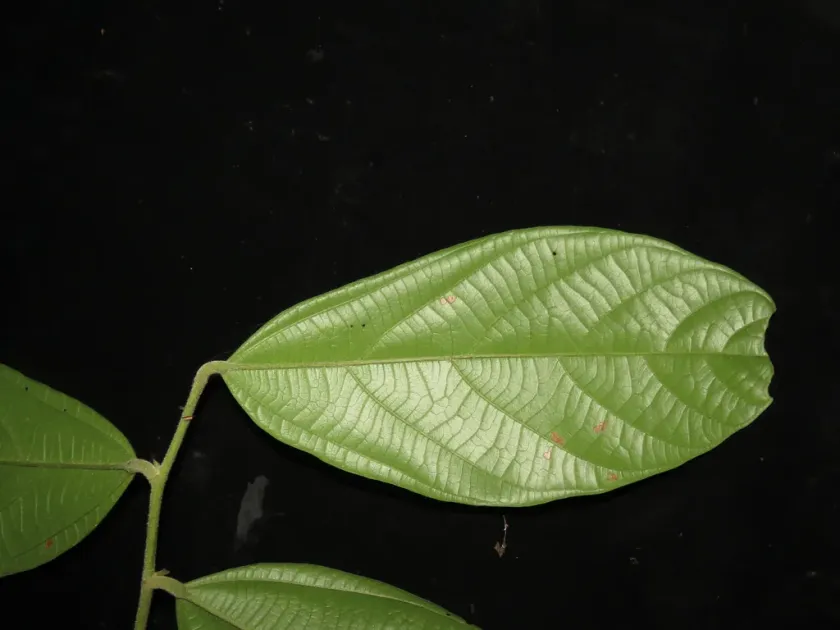
Description
Sowing dates
Microcos latifolia is primarily propagated via seeds in tropical climate conditions. The ideal time for sowing is at the beginning of the rainy season, which provides the necessary moisture levels for seed germination and initial seedling development.
Seeds require pre-treatment, such as soaking in warm water, to improve germination rates. Planting is carried out in a well-prepared substrate rich in organic matter at a depth of approximately 2-3 centimeters.
In its natural habitat, the plant often propagates through self-seeding, so it is important to manage plant density in commercial cultivation. Spacing between rows should be at least two meters to ensure proper canopy development.
Young seedlings require regular watering during the first months of life until they are fully established. Transplanting to a permanent location is best performed at the 4-6 leaf stage under stable, warm weather conditions.
Cultivation requires strict adherence to temperature regimes, as the plant is sensitive to sudden temperature fluctuations. In regions with unstable weather, cultivation in protected environments is often practiced.
Growing requirements
Microcos latifolia belongs to the Malvaceae family, formerly classified within the Tiliaceae family. It is a tropical plant that thrives in regions with high humidity and stable temperatures ranging from 20 to 30 degrees Celsius.
The crop requires fertile, well-drained soils with a neutral or slightly acidic pH. It is essential to avoid areas with waterlogging, as the root system is susceptible to decay under excessive moisture conditions.
The plant is light-loving, though it can tolerate light shading during early development stages. In industrial settings, ensuring sunlight exposure to all canopy parts is crucial for uniform fruit and leaf maturation.
Organic fertilizers are applied twice a year to maintain a high rate of vegetation. Nitrogen supplements positively impact leaf mass development, which is frequently used in traditional medicine.
Drip irrigation is necessary during dry spells, as moisture stress negatively affects raw material quality and overall crop yield. Mulching the root zone helps retain moisture and suppress weed growth.
Yield
The primary commercial use of Microcos latifolia is the harvesting of its leaves, which possess significant medicinal properties. Leaves are harvested during the active growth period, prior to the flowering stage.
The plant's fruits are also utilized, although they are not the primary export product. Yield depends on the tree's age, soil management quality, and the implementation of proper pruning techniques to shape the canopy.
To maximize commercial output, formative pruning is performed to stimulate the growth of side shoots. This practice increases the total leaf surface area and simplifies the harvesting process.
Industrial processing of the raw material includes drying under controlled conditions to preserve biologically active compounds. Proper drying techniques increase the product's shelf life without compromising quality.
The average yield per hectare depends on planting density and the intensity of fertilization programs. Ongoing monitoring of the plantation is key to ensuring consistent raw material harvests over several years.
Main diseases and pests
Microcos latifolia is susceptible to specific tropical pests, most notably scale insects and spider mites. These pests damage young shoots and leaves, reducing the tree's overall productivity and vigor.
Fungal diseases, such as anthracnose, can affect the plant during periods of high humidity and poor canopy ventilation. Timely preventative pruning significantly lowers the risk of infection spread.
Root rot represents the most dangerous threat, often resulting from improper irrigation management. Treatment is difficult, so the primary focus is placed on agronomic measures to prevent water stagnation.
Integrated pest management using biological methods is recommended, as the leaves are often processed for food additives and teas. Chemical pesticides should be used only in strictly controlled quantities.
Regular plantation inspections allow for the detection of infection sites at early stages, enabling the isolation of affected specimens. This prevents large-scale crop loss within the plantation.
Harvesting
The harvesting of Microcos latifolia leaves is performed by hand to avoid damaging the bark of young branches. The process must be gentle to ensure the plant's regeneration for the following season.
The optimal time for harvesting is in the morning after the dew has evaporated, when the concentration of beneficial compounds in the leaves is at its peak. The harvested material is immediately sent for primary processing.
Fruits are harvested as they reach maturity, which is indicated by a change in skin color. Preventing over-ripening is crucial to avoid damage by insects and birds.
Pruning tools must be sharp and disinfected to prevent the transmission of infections between healthy trees during the harvesting process.
Following harvest, the produce is sorted by quality and size for subsequent drying or processing. Adherence to post-harvest storage technology is a critical step in maintaining the market value of the products.