
Melochia nodiflora
Melochia nodiflora
Melochia nodiflora is a versatile plant belonging to the Malvaceae family, native to the tropical regions of the Americas. This species is recognized for its adaptability to various habitats, ranging from disturbed agricultural lands to open forest edges in the tropical belt.
What the section contains
Melochia nodiflora
The crop thrives in warm, humid climates and requires full sunlight to achieve maximum biomass yield. It is highly sensitive to frost, making it suitable for cultivation primarily in tropical and subtropical zones where temperatures remain stable throughout the growing period.
Regarding soil requirements, the plant prefers fertile, well-drained loamy soils. While it demonstrates tolerance to a range of pH levels, it performs best in neutral environments. Soil aeration is critical for root health, as stagnant water significantly inhibits plant vigor and yield potential.
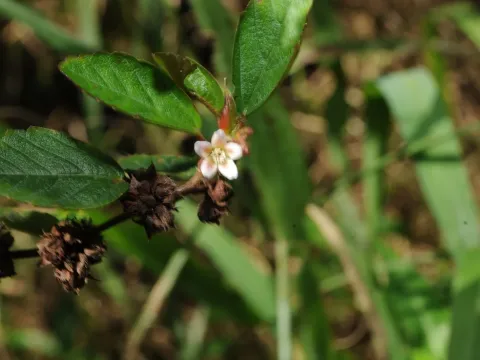
Botanically, Melochia nodiflora is characterized by simple, alternate, serrate leaves and small, distinctive flowers clustered in dense axillary nodes. The architecture of the plant allows for significant branching, which can be manipulated through specific agronomic density management.
Agricultural utility includes its application as a forage plant for livestock, as well as potential interest in fiber extraction due to its phylogenetic classification within the Malvaceae. Additionally, its rapid growth makes it a candidate for soil cover management and erosion control in tropical plantations.
The crop can be susceptible to various pests, with aphids and leaf-eating beetles being the most common challenges. These pests primarily target young foliage, which can cause significant growth stunting if left unmanaged during the early developmental stages.
Fungal diseases, specifically anthracnose and leaf spot, are prevalent in areas with high humidity and poor air circulation. Proper spacing between plants is essential to ensure adequate airflow, which acts as a primary preventative measure against most foliage-based fungal pathogens.
Soil-borne pathogens may cause root rot if the field is poorly drained or if the crop is repeatedly planted on the same site. Implementing a diverse crop rotation cycle is recommended to disrupt the life cycles of soil-dwelling pests and fungi that threaten the plant's root system.
Weed competition is a significant concern during the establishment phase. Since Melochia nodiflora is relatively slow to develop in its initial weeks, keeping the field free of competitive weeds is vital for the crop to eventually form a canopy that suppresses subsequent weed growth.
Integrated Pest Management (IPM) practices, including the use of resistant genotypes and biological controls, are highly encouraged to maintain yields. Regular field scouting allows for the early detection of stress factors, enabling timely and localized interventions before damage becomes widespread.