
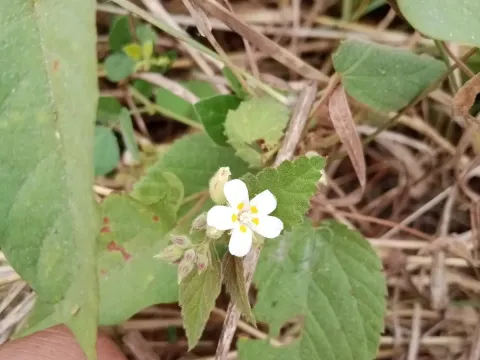
Melochia lupulina
Melochia lupulina
Melochia lupulina is a plant species belonging to the Malvaceae family. This tropical plant is recognized for its unique structural characteristics and is native to regions in Central and South America where warm climates prevail throughout the year.
What the section contains
Melochia lupulina
Botanically, the plant is distinguished by its pubescent stems and alternately arranged leaves. Its inflorescences are unique, forming dense clusters that resemble the strobiles of hops, which serves as the primary identifier for the species.
Climate requirements for this crop are strict: it thrives in tropical environments and requires consistent warmth. It is highly intolerant of frost, and even minor temperature drops can significantly inhibit its growth and development cycle.
Soil requirements involve well-drained, fertile substrates. The plant does not tolerate waterlogging, as excessive soil moisture can lead to root system decay and significantly reduce the overall vitality of the stand.
Regarding agricultural practices, ample sunlight is crucial. The plant performs best in open fields with high light intensity, which promotes robust stem development and ensures the quality of the raw material produced by the crop.
The primary economic use of Melochia lupulina lies in the textile and fiber industry. The stems contain strong bast fibers that can be processed into various industrial materials, offering an alternative to traditional fiber crops.
In addition to industrial fiber, the plant is sometimes utilized for forage purposes. When harvested at the correct physiological stage, the foliage provides a source of nutrition, although careful management is required to maintain its nutritional value.
Research into the pharmaceutical potential of the genus Melochia continues. Scientists are exploring the secondary metabolites found within the plant tissue, which may have applications in developing medicinal compounds.
Harvesting efficiency is paramount for industrial producers. The timing of the cut must coincide with the peak accumulation of fiber maturity to ensure that the yield meets commercial quality standards.
Management of the crop requires attention to fertilization and weed control during the early stages of growth. Proper maintenance ensures that the plant develops high-quality stems, maximizing the output per unit of cultivated area.