
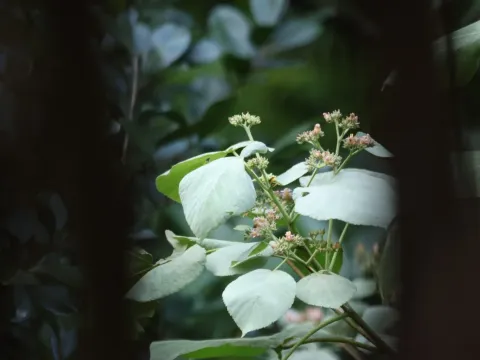
Melochia
Melochia
Melochia is a genus of flowering plants in the mallow family, Malvaceae. Widely distributed across tropical and subtropical regions, the most agriculturally significant species is Melochia corchorifolia. This plant is known for its rapid growth and versatility as both a fiber source and a forage crop.
What the section contains

Melochia
The sowing schedule is strictly dictated by climate, as Melochia is highly thermophilic. It requires warm soil to germinate effectively, usually after all danger of frost has passed. In tropical regions, planting typically coincides with the beginning of the rainy season to utilize natural soil moisture.
The field must be well-prepared, with soil tilled to a fine tilth and cleared of existing weeds. Seeds are sown at a shallow depth of about 1-2 centimeters. Adequate moisture during the emergence phase is crucial for ensuring a uniform plant stand and preventing crusting of the soil surface.
Seed density is adjusted based on the intended use. For fiber production, higher densities are employed to encourage tall, straight stem growth with minimal branching. For forage purposes, spacing is slightly wider to promote more branching and the development of more leaves.
Once established, Melochia seedlings are vigorous but benefit from initial weed control. Managing the crop during its early stages ensures that it establishes a strong root system, allowing it to compete effectively with surrounding vegetation later in the season.
Melochia thrives in warm, tropical climates with consistent temperatures between 25 and 30 degrees Celsius. It is sensitive to cold stress, and growth will significantly decline if temperatures drop below 15 degrees Celsius, making it unsuitable for cooler climates.
Regarding soil preferences, the plant is adaptable but performs best in well-drained, fertile loams. It is vital to avoid waterlogged conditions, which can lead to root rot. Soils with a neutral to slightly acidic pH are ideal for optimal nutrient absorption.
The plant requires plenty of sunlight for optimal development. Shaded areas result in etiolated plants with weak stems, which is detrimental if the crop is being grown for its bast fiber. Full solar exposure promotes robust photosynthesis and biomass accumulation.
Water requirements are moderate, though consistent irrigation during dry spells is recommended to maximize yields. While the crop can withstand brief periods of drought, sustained water stress leads to early flowering and the hardening of the stems, reducing the quality of the fiber.
Nutrient management focuses primarily on nitrogen to stimulate leaf and stem development. Adding organic matter to the soil prior to sowing is an effective strategy to maintain soil fertility and structure throughout the growing season.
The yield of Melochia is highly efficient due to its fast maturation cycle. In ideal conditions, this crop can produce significant biomass within a few months, making it a valuable candidate for high-intensity agricultural systems in warm zones.
When grown for fiber, the yield is measured by the total amount of bast fibers extracted from the harvested stems. High-density planting combined with proper fertilization allows for yields that compete favorably with other traditional bast fiber crops.
Forage yield is calculated by the biomass produced per hectare. Because Melochia is rich in nutrients, it provides a high-quality supplement for livestock. Frequent harvesting of young shoots can sustain forage production throughout the growing season.
The efficiency of harvest depends on the growth stage. Harvesting at the peak of vegetative development ensures the highest biomass quality. Delays in harvesting allow the plant to lignify, which reduces the digestibility of forage and makes fiber extraction more difficult.
Seed yield is an important metric for seed-saving programs. While secondary to biomass, proper management of the reproductive phase ensures that enough seeds are produced to replenish the supply for the next cycle, maintaining crop diversity.
Melochia is generally resistant to many common pests, but it can be susceptible to aphids during the early stages of growth. Aphid infestations can be managed using mild insecticidal soaps or biological controls that protect the crop without harming the local ecosystem.
Fungal pathogens, particularly those causing leaf spot and root rot, represent the most significant threat. These diseases are usually associated with high humidity and poor ventilation. Maintaining proper spacing between rows is a critical preventive measure.
Weed competition can drastically reduce yields if left unmanaged, especially during the first few weeks after sowing. Integrated weed management, including mechanical cultivation and mulching, is recommended to keep the plots clear.
Occasionally, leaf-eating caterpillars may appear. Regular monitoring of the field allows for early intervention, preventing major damage. In most cases, manual collection or targeted biological treatments are sufficient to mitigate the risk.
Crop rotation is an essential agricultural practice to minimize soil-borne pathogens. Growing Melochia consecutively in the same field is discouraged, as it may lead to the accumulation of pests or diseases specific to the Malvaceae family.
Harvesting for fiber is typically timed at the peak of the flowering stage, just before the seeds begin to set. This is when the fiber quality is at its maximum, offering the best balance of strength and flexibility for industrial use.
For fresh consumption as a leafy green, harvesting involves picking the tender top leaves and shoots. Regular pruning encourages the plant to branch out, providing multiple harvests from a single plant throughout the summer.
Post-harvest processing for fiber involves retting, where the harvested stems are submerged in water to soften the tissues. Once the fibers are separated, they are washed and dried thoroughly to prevent mold growth and ensure long-term storage quality.
Seed harvesting is conducted when the seed pods turn brown and start to dry out naturally on the plant. The pods are collected and dried in the shade before being threshed to separate the seeds from the chaff.
Proper storage of the harvested materials is crucial for maintaining their quality. Fibers should be stored in a dry, ventilated area, and seeds should be kept in cool, dark containers to ensure high germination rates for the following season.