
Maximowicz linden
Tilia maximowicziana
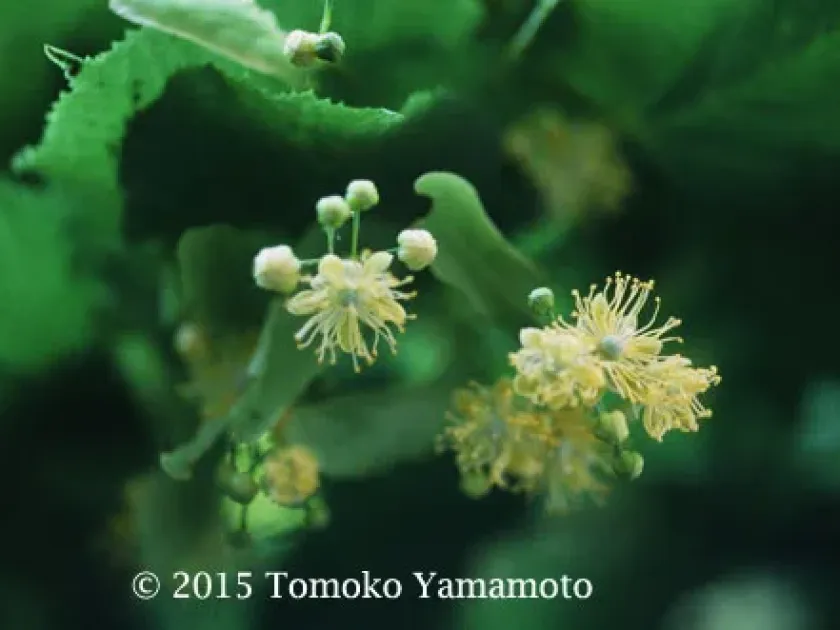
Description
Sowing dates
The propagation of Tilia maximowicziana is primarily performed through seeds. Sowing should be done in autumn or in early spring following a necessary period of cold stratification for 3 to 5 months.
Due to the hard seed coat, scarification may be required to improve germination rates. Seeds should be planted at a depth of 2 to 3 centimeters in well-drained, nutrient-rich soil.
Seedlings develop slowly during the first few years and require protection from intense direct sunlight and fluctuating soil moisture levels. Consistent watering is essential for their establishment.
Transplanting should occur when the saplings are 1 or 2 years old, preferably in the spring after the danger of frost has passed to ensure a successful start in the new location.
Space is critical for this species as it develops a broad, dense crown. Planting intervals should be maintained at 4 to 5 meters to avoid competition between mature trees.
Growing requirements
Maximowicz linden belongs to the Malvaceae family (subfamily Tilioideae) and is native to East Asia. It thrives in deep, fertile, and well-drained loam soils with a neutral or slightly acidic pH.
This species is moisture-loving and sensitive to prolonged drought conditions. Adequate irrigation during the summer months is vital to maintain the tree's health and vigorous growth.
The tree demonstrates good cold hardiness, making it suitable for temperate regions. However, young trees benefit from sheltered positions to protect them from strong, desiccating winter winds.
Exposure to full sun or partial shade is recommended for optimal development. While it can handle some shade, full sunlight promotes better crown density and more abundant flowering.
Cultural practices include spring fertilization and mulching around the base to retain soil moisture. Regular monitoring for soil compaction is necessary to ensure proper root health.
Yield
The Maximowicz linden is highly valued in apiculture as a superior honey plant. Its flowers produce nectar that yields a fragrant, light-colored honey prized for its medicinal properties.
In forestry and woodworking, the wood is appreciated for being lightweight, soft, and easy to carve. It is frequently used for fine woodworking, model making, and musical instruments.
Landscape architects utilize this species for its ornamental value, as it provides excellent shade and possesses an elegant silhouette, making it a favorite for parks and garden designs.
Economic yields are reached once the trees reach maturity, typically after 15 to 20 years. Consistent production of flowers and timber requires periodic maintenance of the plantation.
In addition to timber and honey, the blossoms have historical uses in herbal medicine for treating respiratory issues, adding an extra layer of value to this agricultural crop.
Main diseases and pests
Primary health risks include fungal leaf spots and bark diseases like Nectria canker. Preventive measures include maintaining a clean environment and prompt removal of diseased branches.
Pests such as aphids, mites, and leaf-chewing insects can affect foliage quality. Integrated pest management strategies using selective insecticides are recommended for severe infestations.
Environmental stress, particularly soil compaction or pollution, can predispose the tree to secondary infections. Aeration of the soil and proper irrigation are essential for disease resistance.
Mechanical damage to the bark must be prevented, as open wounds act as entry points for pathogens and wood-rotting fungi which can compromise the structural integrity of the tree.
- Inspect foliage regularly for pest activity.
- Use fungicides only when symptoms are clearly identified.
- Apply protective trunk guards if small rodents are present.