
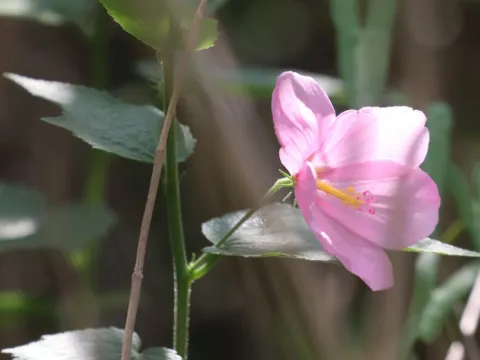
Kosteletzkya pentacarpos
Kosteletzkya pentacarpos
The sowing of Kosteletzkya pentacarpos is carried out in the spring period when the soil temperature at planting depth reaches 15-18°C. The second half of May is considered optimal for temperate climates.
What the section contains
Kosteletzkya pentacarpos
To ensure uniform emergence, pre-sowing seed stratification or scarification is recommended due to the hard seed coat. Seeds should be planted at a depth of 2 to 3 centimeters.
The planting pattern should account for the vigorous growth of the aerial parts, so spacing between rows is maintained at 45–60 centimeters. Planting density directly influences stem development and fiber quality.
The crop is sensitive to weed competition during early growth stages, so maintaining weed-free fields for the first 30–40 days after emergence is critical for success.
As a thermophilic plant, Kosteletzkya pentacarpos is susceptible to late frosts, which can significantly reduce the stand density and total biomass productivity of the field.
Kosteletzkya pentacarpos belongs to the Malvaceae family and is recognized for its high ecological plasticity and ability to thrive in challenging soil environments.
The plant is highly adaptable to waterlogged soils and saline conditions, making it a promising candidate for cultivating on land unsuitable for conventional agricultural crops.
Optimal pH for successful growth ranges from neutral to slightly alkaline, although the plant demonstrates a remarkable tolerance to varying levels of soil salinity.
The crop requires significant water availability during the active growing season, favoring areas near wetlands or regions with a high water table.
For the development of robust stems, the plant needs abundant sunlight and consistently high temperatures throughout the entire summer season.
The primary economic use of the crop is the production of high-quality plant fiber, which shares similar properties with jute or kenaf.
Biomass production of the stems can reach significant levels with proper application of nitrogen and phosphorus fertilizers throughout the vegetative period.
Seed yield is also an important metric, allowing the plant to be utilized as a source of technical oil extracted from the seeds.
Production efficiency depends on the climate zone, but with optimized agronomy, stem biomass yield can reach 8-12 tons per hectare in dry weight.
An additional benefit is the conversion of processing residues into fuel pellets, increasing the overall economic viability of cultivating this crop.
Major phytopathological threats include fungal diseases that flourish under conditions of high humidity and excessive planting density.
Root rot is the most dangerous condition, as it can affect plants during early development, leading to widespread seedling mortality.
Insects, such as moths and leaf-eating larvae, can damage the foliage, significantly reducing the photosynthetic activity of the plants.
Specific protection measures involve regular population monitoring and the application of biological insecticides if economic damage thresholds are exceeded.
Disease prevention is primarily based on crop rotation and the management of soil drainage to minimize the conditions that favor pathogen development.
Harvesting for fiber is conducted during the flowering stage when cellulose content in the stems is at its peak and fiber quality meets technical standards.
Standard harvesters for bast fiber crops or specialized mowers are used to cut the biomass, ensuring a clean and uniform harvest.
After cutting, the stems are left in the field for initial retting or sent to processing facilities for decortication, where fibers are mechanically separated from the woody core.
If the cultivation objective is seed production, harvest is delayed until the seed pods are fully mature, while taking care to minimize shattering.
Harvested raw materials require immediate primary processing, as high moisture content can lead to rapid degradation of fiber quality.