
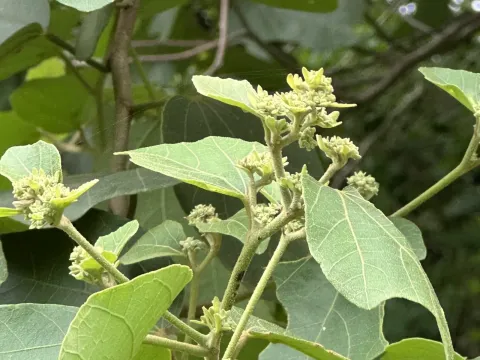
Kydia calycina
Kydia calycina
Kydia calycina is typically propagated via seeds, which should be collected as soon as they reach maturity to ensure maximum viability for germination.
What the section contains
Kydia calycina
Seedlings are best raised in nursery beds, ensuring the soil is well-prepared with organic amendments and maintained at a consistent moisture level throughout the initial growth phase.
Transplanting to the final site should take place at the beginning of the rainy season, as this allows the root system to establish itself before the onset of drier conditions.
Proper spacing is crucial; planting trees at intervals of 3 to 4 meters promotes healthy canopy development and ensures that each individual tree receives adequate sunlight.
Initial care includes keeping the area weed-free and providing protection from wind or herbivores until the stems become woody and resilient.
Kydia calycina is a member of the Malvaceae family and thrives in tropical and subtropical climates, particularly in the foothills and plains of Asia.
The species prefers fertile, well-draining soils and generally avoids waterlogged areas, which can lead to root system decay and poor development.
Regarding climate, the plant requires a cycle of rainfall followed by a warmer, sunny period to reach its full growth potential and achieve maximum biomass.
While somewhat tolerant of varying conditions, it performs optimally in warm environments where temperatures remain between 20 and 35 degrees Celsius.
Sunlight is an essential requirement; the tree is light-demanding and should not be planted in deeply shaded areas where its growth would be significantly suppressed.
The primary economic value of Kydia calycina lies in its bast fiber, which is extracted from the bark and used for making strong cords and traditional textiles.
The wood is lightweight and soft, making it a reliable choice for plywood manufacturing, matchstick production, and crafting simple household utensils.
In agroforestry systems, the tree's foliage serves as an important fodder source for cattle, especially in regions where traditional forage crops may be scarce.
The flowers are highly attractive to pollinators, contributing to the biodiversity of the ecosystem and potentially supporting local apiculture initiatives.
With its rapid growth rate, the tree offers substantial yields in terms of volume of wood and fiber, allowing for a relatively short rotation cycle in forestry plantations.
Common threats to this crop include various species of defoliating insects that target the soft, young leaves during the height of the growing season.
Fungal diseases, such as leaf spots, may occur in areas with poor ventilation or stagnant, overly humid conditions, impacting the plant's health.
Stems of younger trees are sometimes vulnerable to physical damage from large herbivores or rodents, necessitating the use of protective netting or barriers.
Integrated pest management strategies are recommended, focusing on cultural practices like pruning to improve airflow and reduce humidity around the trees.
Maintaining strong, vigorous plants through adequate nutrition and regular monitoring is the most effective way to prevent widespread infection or pest outbreaks.
Fiber harvesting involves the careful stripping of bark from younger branches, a process that must be done skillfully to ensure the tree's survival for future regrowth.
Timber harvesting is conducted after the trees reach a suitable maturity, usually following a 10-15 year growth cycle, depending on the desired stem diameter.
Fodder collection is usually carried out through periodic pruning of side branches, which provides a sustainable harvest without sacrificing the main tree.
Harvested raw materials should be cleaned, sorted, and dried appropriately to maintain the quality of the fiber and prevent decay during storage.
Efficient management of the harvest process ensures both high-quality yields for the industry and the long-term sustainability of the plantation.