
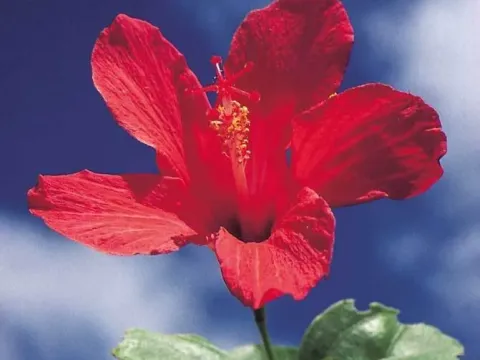
Lily-flowered hibiscus
Hibiscus liliiflorus
The lily-flowered hibiscus (Hibiscus liliiflorus) is a perennial evergreen shrub belonging to the Malvaceae family. Native to Mauritius, this rare species is highly regarded for its unique, elegant floral structure that distinguishes it from other members of the genus.
What the section contains
Lily-flowered hibiscus
Cultivation of this species requires a tropical climate with temperatures consistently ranging between 20°C and 28°C. It is extremely sensitive to cold drafts and cannot tolerate frost, which makes it suitable only for warm regions or strictly controlled greenhouse environments.
The ideal soil substrate for Hibiscus liliiflorus is well-draining, rich in organic matter, and slightly acidic to neutral in pH. Proper drainage is the most critical factor to prevent waterlogging, which the species is highly susceptible to in its early development stages.
Regarding light requirements, the plant prefers bright, filtered sunlight. While it needs significant light to promote blooming, direct exposure to intense midday sun in hot climates can cause leaf scorch and damage the delicate, lily-like petals.
Botanically, the plant features glossy, ovate-shaped leaves and a robust branch structure. Pruning is essential for maintaining the shape and encouraging the development of new flowering stems, which typically appear at the tips of the current season's growth.
Common pests affecting Hibiscus liliiflorus include spider mites and aphids, which thrive in low-humidity environments. These pests primarily target the soft, young tissues of the plant, potentially stunting growth if not managed promptly with appropriate interventions.
Fungal pathogens such as root rot can occur if the plant is grown in compacted soil or over-watered. Symptoms often include wilting and leaf drop, making it difficult to recover the plant once the root system has suffered significant structural damage.
Whiteflies are another significant threat, particularly in greenhouse cultivation. They damage the leaves by sap-feeding and producing honeydew, which serves as a substrate for sooty mold, hindering the plant's ability to perform photosynthesis efficiently.
Nutrient deficiencies, particularly involving iron and magnesium, can result in leaf chlorosis. This condition significantly weakens the plant's natural defense mechanisms, increasing the risk of secondary infections from opportunistic bacteria and fungi in the soil.
Integrated pest management, including regular inspection and maintaining optimal humidity levels, is the best strategy for protecting this hibiscus variety. Chemical controls should be used sparingly and only after cultural and biological control methods have proven insufficient.