
Lebronnecia
Lebronnecia
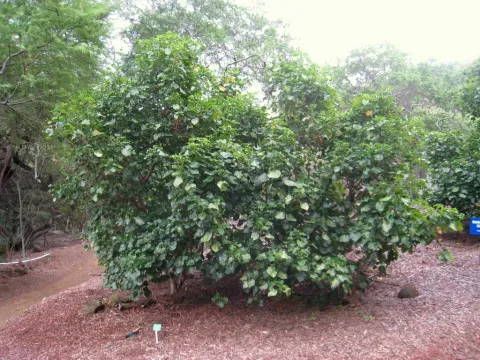
Lebronnecia is a unique genus of plants belonging to the Malvaceae family, characterized by extremely limited distribution. The most well-known species, Lebronnecia kokioides, is an endemic plant of French Polynesia, specifically the Marquesas Islands, and has highly specific environmental requirements.
What the section contains

Lebronnecia
The plant prefers humid tropical conditions with high average annual temperatures and stable air humidity levels. In its natural habitat, it grows in forested areas receiving dappled sunlight, which is critical for successful photosynthesis and optimal leaf development.
Soils for Lebronnecia must be rich in organic matter, possess a loose structure, and exhibit excellent permeability. Compaction or waterlogging in the root zone can be fatal to the root system, making high-quality drainage an essential prerequisite for any attempt at cultivating or introducing this species.
Botanically, Lebronnecia stands out among other Malvaceae due to its distinct morphological traits, including unique floral structure and fruit shape. These evolutionary features have allowed the plant to adapt successfully to isolated island ecosystems where it developed without competition from mainland species.
Commercial cultivation of Lebronnecia is currently restricted due to its conservation status and rarity in the wild. Its primary use remains academic and research-oriented, aimed at preserving biodiversity and studying the genetic potential of the Malvaceae family.
The main threats to Lebronnecia are invasive animal and plant species that may outcompete it within its natural range. Anthropogenic interference causing shifts in the islands' microclimate also negatively impacts the surviving populations.
Common pests associated with tropical mallows include aphids and spider mites, which may attack young shoots in greenhouse conditions. Prophylactic treatments with biological control agents help minimize the risks of losing young specimens.
Fungal diseases, exacerbated by high humidity and poor ventilation, pose a significant risk. Root rot development due to improper agricultural management requires strict monitoring of soil composition and watering regimes to prevent the spread of pathogens.
Nutrient deficiencies in the substrate can lead to weakened immunity and leaf chlorosis. Regular fertilization with complex micronutrients is a necessary measure for maintaining the viability of greenhouse collections.
The overall fragility of the species makes it extremely vulnerable to sudden environmental shifts. Conserving Lebronnecia requires strictly controlled conditions that mimic its natural habitat, along with constant monitoring of the health status of every individual plant.