
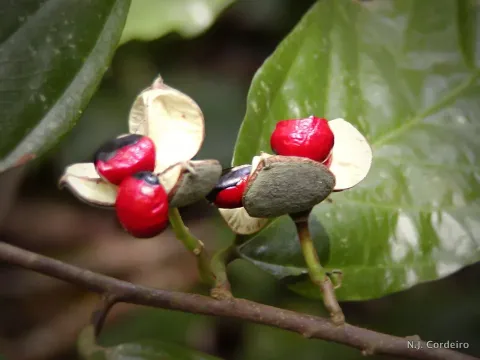
Leptonychia
Leptonychia
The genus Leptonychia is a member of the Malvaceae family. It comprises small trees and shrubs that naturally inhabit the understory of tropical forests, primarily in African and Asian regions.
What the section contains
Leptonychia
Climate requirements for this plant are strictly tropical. It demands high, constant temperatures throughout the year and is highly sensitive to frost or prolonged dry spells, which can lead to significant physiological stress.
Soil preferences involve deep, well-draining substrates rich in decomposed organic matter. Waterlogged soils are detrimental to the root health of Leptonychia, as they promote rot and nutrient deficiency.
Botanically, the genus is distinguished by its simple leaves and characteristic flower structure typical of the Byttnerioideae subfamily. Growth is generally slow, emphasizing the need for patient management in controlled environments.
Economic use of the crop is largely niche and localized. Some species have been documented for their traditional medicinal properties and the potential utility of their fibrous wood in artisanal crafts.
Fungal pathogens represent the primary threat to Leptonychia, especially in high-humidity environments where leaf spot and bark rot can spread rapidly if air circulation is inadequate.
Insect pests such as tropical scale insects and various leaf-chewing larvae can cause severe defoliation if left unchecked during the active growing season.
Competing vegetation is a significant barrier to establishment; young Leptonychia plants require consistent weeding to avoid resource deprivation by aggressive invasive plants.
Stem-boring insects present a long-term risk to mature trees, potentially introducing secondary pathogens that lead to internal wood decay and reduced structural integrity.
Sustainable agronomic practice for this genus focuses on integrated pest management (IPM) to maintain plant health while respecting the natural microclimate of the forest understory.