
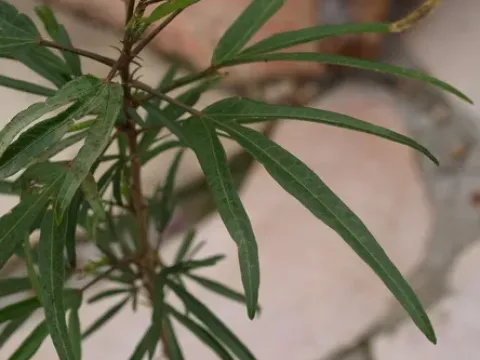
Hibiscus boryanus
Hibiscus boryanus
Propagation of this culture in natural conditions occurs primarily through seeds. In cultivation, the optimal time for sowing seeds is early spring, when soil temperatures stabilize above 20 degrees Celsius.
What the section contains
Hibiscus boryanus
Before sowing, it is recommended to scarify the seeds, as their dense shell makes germination difficult. Using a high-quality substrate with proper drainage is crucial to prevent the seeds from rotting at the initial stage.
When grown in nurseries, seeds are sown in seedling trays or individual containers. It is important to maintain stable air humidity while avoiding waterlogging of the soil ball.
Pricking out seedlings is performed after the emergence of two to three pairs of true leaves. This allows the root system to strengthen before the plant is transplanted to its permanent location.
The temperature regime during the germination period must be controlled, ensuring a high germination rate and uniform development of the young plants.
Hibiscus boryanus is an endemic species of Reunion Island and belongs to the Malvaceae family. It is an evergreen shrub that requires specific climatic conditions for full development.
The plant prefers sunny, well-lit areas, although in its early stages, it can tolerate partial shade. Lack of light leads to elongated shoots and reduced ornamental value.
Soils for successful cultivation should be fertile, with a neutral or slightly acidic pH. A key requirement is high moisture permeability of the soil, as waterlogging is detrimental to the root system.
The culture has moderate drought resistance, but it requires regular watering during periods of active growth. In regions with cooler climates, cultivation is possible only in greenhouse conditions.
The plant does not tolerate sudden temperature fluctuations or cold winds well, so plantings are recommended to be protected from drafts and northern air currents.
The main threat to the plant comes from sap-sucking pests such as spider mites and aphids, which often infest leaves in conditions of low air humidity.
When watering protocols are neglected, fungal diseases arise, including root rot and powdery mildew. Prevention involves maintaining optimal air circulation around the plant.
In case of pest infestation, it is necessary to use systemic insecticides or biological control methods. Regular inspection of the undersides of leaves allows for the early detection of issues.
Increased humidity at low temperatures promotes the development of mold fungi on the plant stems. Maintaining sanitary conditions in the soil helps minimize infection risks.
Timely sanitary pruning of diseased or damaged branches prevents the spread of pathogens within the shrub's canopy.