
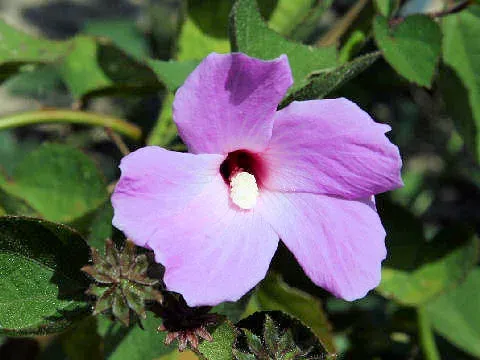
Hibiscus costatus
Hibiscus costatus
The sowing of Hibiscus costatus seeds is best performed in the spring season when soil temperatures reliably reach 20–22 degrees Celsius. Seeds should be planted at a depth of 1–2 centimeters, which ensures optimal germination conditions and establishes a robust initial root system.
What the section contains
Hibiscus costatus
For commercial farming operations, tray or greenhouse seedling methods are preferred to produce strong, healthy plants before field transplantation. Once the first set of true leaves develops, the seedlings are moved to individual containers, ensuring their taproots remain undisturbed.
Field transplantation should only occur once all risks of frost have passed and consistent warm weather is established. A spacing of 50 by 60 centimeters is recommended to provide each plant with adequate air circulation and access to light, preventing overcrowding issues.
To improve germination rates, seeds can be soaked in growth-promoting stimulants for 12–24 hours before planting. This practice increases the vigor of the seedlings and ensures uniform stand establishment across the entire field.
Site selection must prioritize areas with maximum daily sun exposure. Hibiscus costatus is highly light-demanding, and any shading from adjacent trees or buildings can negatively impact its growth rate and final crop yield.
Belonging to the Malvaceae family, Hibiscus costatus is a tropical crop that requires warm temperatures to thrive. Ideal growth conditions are achieved when ambient air temperatures remain between 25 and 30 degrees Celsius during the active vegetative phase.
The plant prefers fertile, well-drained loamy or black soils with a neutral to slightly acidic pH level. Proper soil structure is essential, as the roots are sensitive to waterlogging and can suffer from oxygen deficiency in compacted or overly damp environments.
Consistent moisture is critical, especially during the flowering and seed pod development stages. Drip irrigation systems are the most effective way to maintain the necessary soil moisture levels without causing surface water pooling.
Agronomic management includes frequent cultivation between rows to improve soil aeration and suppress weed growth. Applying organic mulch around the plant base helps conserve soil moisture and protects the root zone from excessive heat during peak summer months.
Balanced fertilization is necessary to support high productivity. Nitrogen-rich fertilizers should be applied early in the season to support leafy growth, while phosphorus and potassium levels should be increased as the plant prepares for its flowering cycle.
Spider mites are the most common pests affecting Hibiscus costatus, particularly in dry and hot conditions. Regular monitoring of the undersides of the leaves is vital for detecting early infestations and applying necessary biological or chemical control measures.
Aphids can also cause significant damage to young shoots and developing flower buds by extracting plant sap. Proactive insect management, including the use of systemic insecticides, is standard to ensure the plant remains vigorous and productive.
Fungal diseases, such as leaf spot or Fusarium wilt, may arise if the plant is grown in areas with poor ventilation or high humidity levels. Pruning affected leaves and maintaining proper spacing can significantly reduce the risk of disease transmission.
Root rot is a major threat linked to poor soil drainage. If the soil remains overly saturated, pathogens can easily attack the root system, causing the plant to wilt and eventually die. Proper drainage is the primary defense against these soil-borne threats.
- Routine inspection for pest presence.
- Clearance of plant debris after the harvest season.
- Maintaining optimal plant density for airflow.
Harvesting is conducted when the seed pods develop their characteristic ribbed shape and turn a brownish, mature color. It is essential to harvest before the pods naturally split, which would lead to the loss of seeds onto the field floor.
Once collected, the harvested pods must be dried in a well-ventilated area protected from direct sunlight. This step is crucial for achieving the moisture levels required for long-term storage and preventing the growth of molds or spoilage organisms.
Hibiscus costatus has diverse industrial applications, ranging from fiber extraction for textiles to uses in the pharmaceutical industry. Its unique chemical properties make it an attractive crop for producing specialized natural additives and dyes.
Sorting and cleaning the material after drying is a vital step to remove debris and damaged components, ensuring a high-quality product for the market. This adds value to the crop and prepares it for efficient processing or storage.
Storage should take place in breathable packaging, such as jute or paper sacks, to maintain product integrity. The storage environment must remain stable, with low humidity and protection from pests, to ensure the plant material retains its biochemical properties for extended periods.