
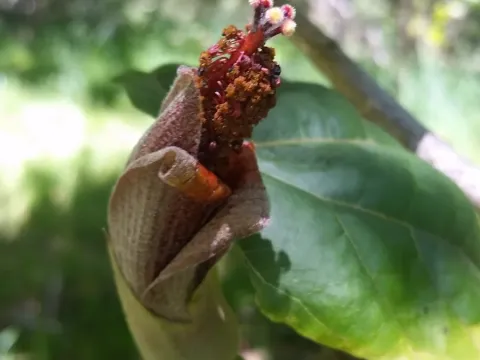
Hibiscadelphus
Hibiscadelphus
Hibiscadelphus belongs to the Malvaceae family and is an endemic genus found exclusively on the Hawaiian Islands. These are tree-like plants that naturally prefer moist tropical forests located at middle elevations above sea level.
What the section contains
Hibiscadelphus
The plant is highly demanding in terms of temperature: it cannot tolerate frost and requires a consistently warm climate with high air humidity. Ideal conditions for development are areas protected from strong winds with fertile, well-drained soils of neutral or slightly acidic pH.
Botanically, Hibiscadelphus is distinguished by specific tubular flowers, the shape of which is adapted for pollination by local species of Hawaiian honeycreepers. The leaves are typically alternate, broad, and leathery, which helps them retain moisture in island climates.
In a commercial or general agricultural sense, the crop is not cultivated, as most species are on the verge of extinction in the wild. Its use is limited to research centers and botanical gardens where work is focused on preserving biodiversity.
Successful cultivation in controlled environments requires precise adherence to lighting conditions, as direct sunlight can scorch young foliage, while a lack of light leads to elongated shoots and a failure to flower.
The main threats to the existence of Hibiscadelphus are invasive animal species, such as feral goats and pigs, which destroy young shoots and damage the bark of trees in forest areas.
The plants are also susceptible to specific fungal diseases caused by excessive humidity and stagnant air, which necessitates regular sanitary pruning of the crown and monitoring of substrate moisture.
Pests typical of the Malvaceae family, such as aphids and spider mites, pose a risk to Hibiscadelphus when grown in greenhouses, requiring the use of biological control methods.
Climate change and the decline in populations of pollinating birds have led to a near-total cessation of natural seed reproduction in the wild, making autonomous recovery of their habitats impossible.
The human factor, including landscape modification and the use of land for pastures, has been the primary cause of the critical decline in the population of this genus, rendering any agronomic activity involving it purely experimental.