
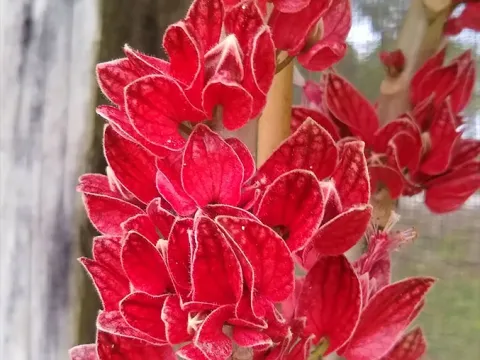
Goethea
Goethea
Goethea is a genus of tropical evergreen shrubs belonging to the Malvaceae family. These plants are recognized for their unique morphological structure, specifically the colorful bracts that often overshadow the true flowers, creating a stunning visual display.
What the section contains

Goethea
Originating from the tropical forests of Brazil, this crop demands high humidity and constant warm temperatures to thrive. It is typically cultivated in specialized environments such as greenhouses or conservatories where climate control is precise.
The ideal temperature range for this plant is between 22 and 28 degrees Celsius. Any exposure to temperatures below 15 degrees Celsius can cause severe stress, leading to leaf drop and a significant decline in the overall vigor of the plant.
Soil requirements involve a rich, porous, and well-draining potting mix. A composition based on peat, perlite, and organic compost is usually recommended to ensure that the root system receives both moisture and adequate aeration.
Light management is crucial, as the plant prefers bright but filtered light. In a controlled agricultural environment, supplemental lighting may be used during darker months to maintain steady growth rates and prevent etiolation of the stems.
The primary agricultural threats to Goethea cultivation include infestations of spider mites, which flourish in low-humidity settings. These pests cause chlorosis and eventual necrosis of the leaves if left unchecked.
Mealybugs and scale insects are also significant pests that can colonize the plant. These insects are particularly difficult to eradicate once they settle in the dense nodes of the plant, requiring systemic treatment methods.
Root rot, often caused by overwatering or poor drainage, remains the most frequent pathology affecting this species. Preventing waterlogging is the most effective strategy for ensuring long-term health and disease resistance.
Standard disease control protocols involve regular inspections of the underside of leaves, where pests typically hide. Applying horticultural oils or soaps is often effective for early intervention against soft-bodied insects.
Maintaining a clean cultivation area and removing any plant debris helps to prevent the establishment of fungal spores. Proper spacing between individual plants ensures sufficient airflow, further reducing the risk of disease transmission.