
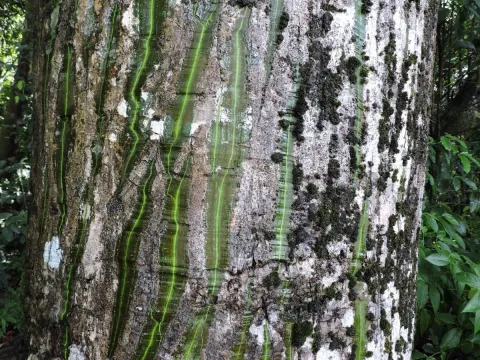
Bombax barrigon
Bombax barrigon
Bombax barrigon is a prominent tree species belonging to the Malvaceae family, native to the tropical regions of Central and South America. It is a deciduous tree that plays a vital role in tropical ecosystems and forest plantations.
What the section contains
Bombax barrigon
The tree thrives in well-drained soils and requires significant exposure to direct sunlight for optimal growth. While it exhibits tolerance to varied soil types, loamy and nutrient-rich soils promote the most vigorous development of the crown and root system.
Climatic preferences include tropical conditions characterized by distinct wet and dry seasons. The species demonstrates remarkable resilience to seasonal drought, which is a key trait that facilitates its survival in tropical environments.
Botanically, Bombax barrigon is identified by its large stature and compound leaves. The tree produces attractive flowers, which are essential for attracting pollinators, thereby contributing to the ecological stability of the surrounding landscape.
In terms of economic value, the wood is highly regarded for its lightweight properties, making it suitable for furniture manufacturing, crates, and specialized woodworking applications. Additionally, it is frequently used for urban landscape restoration.
Common threats to the health of Bombax barrigon include fungal infections resulting from waterlogging. It is essential to manage soil moisture effectively to prevent the development of root rots, especially in younger saplings.
Pest populations, including various beetles and lepidopteran larvae, may occasionally infest the foliage or the bark. Monitoring these pests is crucial for maintaining the aesthetic and structural integrity of the trees in a plantation setting.
Environmental stress caused by extreme weather, such as heavy unseasonal rainfall, can also lead to nutrient leaching. Providing proper soil amendments and organic matter helps to buffer the plant against such environmental impacts.
Young trees are particularly vulnerable to grazing by wildlife. Implementing protective measures such as physical barriers or enclosures is necessary to ensure the survival of the saplings during the establishment phase.
Cultural practices should emphasize biodiversity, as a monoculture approach is more susceptible to disease outbreaks. Incorporating the species into agroforestry systems is a recommended practice to improve natural resistance.