
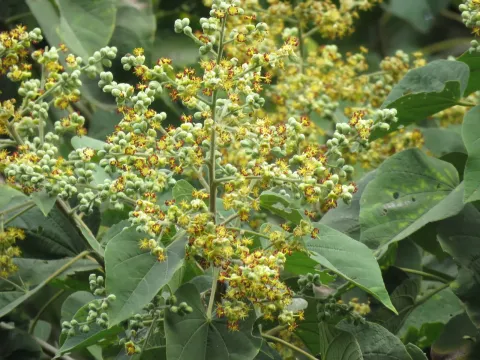
Bastardiopsis
Bastardiopsis
Bastardiopsis is a genus of flowering plants belonging to the Malvaceae family. These plants are characterized by their woody growth habit and their capacity to produce high-quality fibers, making them a significant subject for specialized silviculture and industrial research.
What the section contains


Bastardiopsis
The native range of this genus is primarily situated in South America, where it flourishes in tropical forests. The plants are adapted to warm, humid conditions and require a stable climate to achieve their full growth potential within managed plantation systems.
Botanically, these plants are known for their sturdy stems and characteristic leaves that demonstrate the morphological traits of the mallow family. Their reproductive structures are adapted for effective pollination, which contributes to their survival in natural ecosystems.
Successful cultivation requires well-drained, nutrient-rich soil with consistent moisture levels. While they can tolerate varying light intensities, they perform best in open areas where they can receive ample sunlight for photosynthesis and wood density development.
The primary economic use of Bastardiopsis lies in the textile potential of its fibers and the structural properties of its wood. These trees are also valued in reforestation efforts to improve soil stability and biodiversity in degraded tropical landscapes.
The main threats to Bastardiopsis cultivation include fungal pathogens that thrive in high-humidity environments, potentially causing stem rot or leaf spot. Proper spacing and airflow management are essential to maintain plantation hygiene.
Insect pests such as leaf-eating caterpillars and aphids pose a risk to young trees, necessitating regular monitoring. Sustainable pest control strategies, including natural predators and selective treatments, are recommended for large-scale operations.
Soil-borne nematodes can impact tree vigor if crop rotation or site preparation is neglected. Selecting healthy seedlings and maintaining soil health through organic amendments are effective preventive measures for long-term productivity.
Mechanical injuries to the trunk or branches can facilitate the entry of wood-boring insects, which significantly weaken the tree's health. Careful handling and pruning practices are vital for keeping the plants robust and resistant to infestation.
Environmental stressors such as unseasonal frosts or extreme drought can hinder development. Providing supplementary irrigation during dry periods and protective measures in cooler months ensures the consistency of growth and fiber yield.