
Lepechinia salviae
Lepechinia salviae
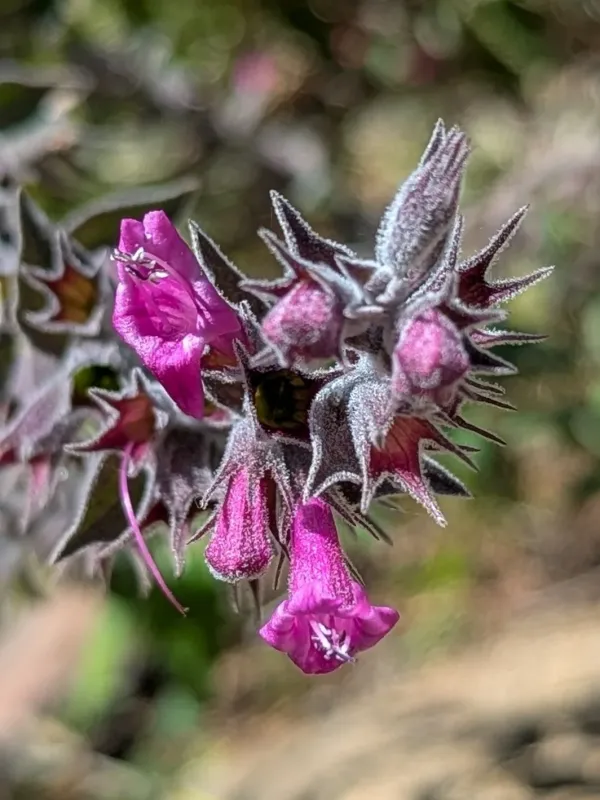
Description
Sowing dates
Sowing Lepechinia salviae should be done in spring once the risk of frost has passed, ensuring the soil is adequately warmed and prepared for delicate seedlings.
Seeds require a fine, well-draining seedbed to germinate effectively. They should be covered lightly with soil, as they need a specific balance of light and darkness to sprout.
For large-scale cultivation, starting the plants in trays indoors during late winter allows them to establish a robust root system before being transplanted into the field.
Spacing is a critical factor for Lepechinia salviae. Plants should be set at least 45 centimeters apart to prevent overcrowding, which can reduce air circulation and vigor.
As a member of the Lamiaceae family, it thrives when weed competition is kept to a minimum during the early stages of growth, requiring consistent field maintenance.
Growing requirements
This crop thrives in sunny, well-lit environments. It prefers well-draining, moderately fertile soil, as it is highly susceptible to root rot in waterlogged conditions.
Lepechinia salviae requires consistent irrigation but prefers a drying-out period between waterings to mimic its natural, mountainous habitat in South America.
The plant is best suited for temperate climates where temperatures remain between 18 and 26 degrees Celsius during the peak of the growing season.
Soil pH should ideally be neutral or slightly alkaline. Periodic soil testing and amendment with organic matter help maintain the nutrient levels necessary for foliage development.
Good ventilation is essential. When grown in high densities, it is important to choose sites with natural breeze or provide artificial spacing to prevent humidity buildup.
Yield
The harvestable yield of Lepechinia salviae consists primarily of its aromatic leaves, which are rich in oils and secondary metabolites valued in industry.
Yield capacity can reach significant levels per hectare if the crop is managed with optimal fertilization and precise water scheduling throughout the year.
The peak biomass and quality of essential oils are achieved just before and during the flowering stage, making timing essential for commercial producers.
Regular pruning of the plants not only improves harvest quality but also stimulates denser branching, which increases the overall leaf yield for subsequent harvests.
Implementing modern drip irrigation systems has shown to be the most effective method for stabilizing and increasing the yield compared to flood irrigation methods.
Main diseases and pests
Common threats to this crop include powdery mildew, which often occurs in humid, poorly ventilated planting sites and significantly reduces leaf quality.
Pests such as aphids and spider mites can attack young foliage, leading to stunted growth and reduced vigor if left unmonitored during hot, dry spells.
Root pathogens are a constant risk if drainage is inadequate. Root decay can be prevented by ensuring proper soil structure and avoiding excessive watering.
Integrated pest management strategies, including the use of beneficial insects and biological fungicides, are recommended for maintaining a healthy and profitable crop.
Regular field scouting is necessary to identify early signs of stress, whether due to pest pressure or environmental conditions, allowing for prompt corrective action.
Harvesting
Harvesting is ideally performed in the early morning once the dew has evaporated, which helps preserve the essential oils within the leaf tissue.
Plants should be cut carefully, leaving enough stem base for the plant to recover and regenerate growth for a second potential harvest during the same season.
Post-harvest processing involves drying the foliage in a shaded, well-ventilated area to prevent degradation of volatile compounds due to heat or light exposure.
Once dried, the leaves are mechanically separated from the woody stems, ensuring that the final product is free of stalks and other debris for better quality.
Storing the dried product in airtight containers, away from direct sunlight, ensures the longevity and potency of the aromatic compounds for market distribution.