
Lepechinia chilensis
Lepechinia chilensis
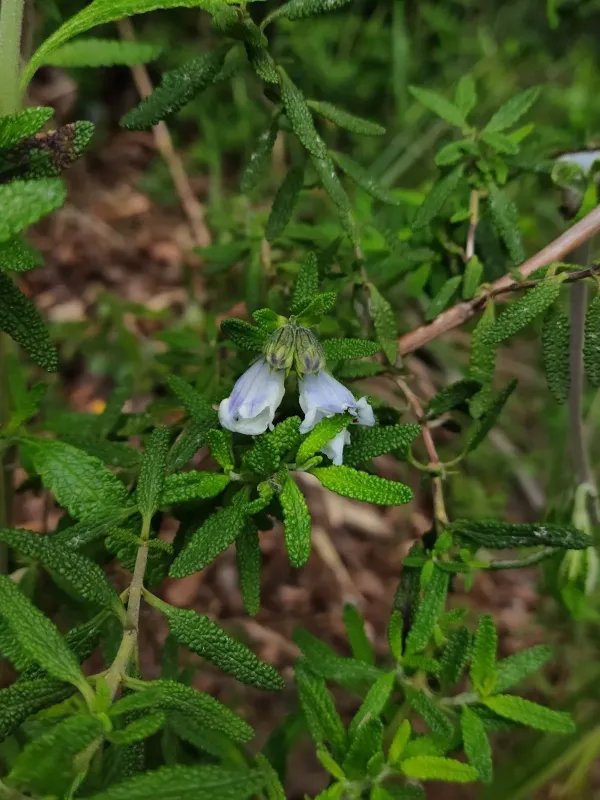
Description
Sowing dates
Sowing seeds of Lepechinia chilensis in temperate climates is best performed in a greenhouse during March to produce robust seedlings. The seeds exhibit moderate germination rates, so stratification at +4°C for 2-3 weeks significantly improves vigor and uniformity of emergence.
Seedlings should be transplanted to the field only after the risk of frost has passed and daily temperatures consistently exceed +12°C. The plant is sensitive to cold spells, making temporary row covers beneficial during the early stages of establishment.
Planting density must account for the natural habit of the species; maintaining 40–50 cm between plants and 60 cm between rows is ideal. This spacing facilitates proper air circulation, which is essential to minimize the risk of fungal diseases within the foliage.
For direct seeding, select sites with excellent drainage and sun exposure. Seeds are small, so they should be covered with no more than 1 cm of light soil, ensuring they remain exposed to sufficient light to trigger the germination process successfully.
In areas with longer growing seasons, fall sowing is possible as a method to achieve earlier spring growth. This approach requires applying a layer of organic mulch to protect the soil from freezing, which helps the seeds establish before winter dormancy.
##requirements##Lepechinia chilensis belongs to the Lamiaceae family and requires high levels of solar radiation to produce its characteristic essential oils. Open fields with full sunlight exposure are necessary to maximize the accumulation of active secondary metabolites.
The soil must be well-drained and light, ideally with a neutral to slightly alkaline pH. Clay-heavy soils can cause waterlogging, which is detrimental to the plant's root system, so amending the site with sand or gravel is standard practice for field preparation.
While the plant shows moderate drought tolerance, consistent moisture during the active vegetative growth phase is crucial. Water stress at this time can significantly reduce the biomass yield and the concentration of aromatic compounds in the leaves.
Fertility requirements are modest; organic amendments like high-quality compost are preferred over synthetic nitrogen sources. Excessive nitrogen can lead to soft, succulent growth that is more susceptible to pests and lacks the potency required for commercial use.
An ideal temperature range for development is +18°C to +25°C. High humidity combined with extreme heat is poorly tolerated, so in warmer regions, providing light shade during peak afternoon sun helps maintain plant health and vigor.
##yield##Biomass production for Lepechinia chilensis depends heavily on site management and regional weather. Under optimal conditions and consistent irrigation, it is possible to achieve two harvest cycles within a single growing season.
Average yields for commercial plantations are approximately 3–5 tons of dried aerial parts per hectare. Yield fluctuates significantly based on planting density, soil fertility levels, and the genetic background of the plant material being utilized.
Peak concentrations of essential oils and secondary metabolites occur just as the plant begins its flowering phase. Timing the harvest to coincide with this biological stage is essential for meeting the quality standards of the pharmaceutical and cosmetic industries.
When used as a perennial ornamental, yield is measured by the plant's visual vitality. Rejuvenation pruning after the main flowering flush encourages new branching and ensures the plant remains compact and healthy for subsequent years.
Mechanization of the harvest process is highly recommended for larger scales. Using specialized cutters helps to reduce post-harvest losses and improves the speed of processing, which directly correlates to higher profitability in a farm setting.
##threats##Root rot is the primary disease threat for Lepechinia, usually stemming from poor irrigation management. Constant soil saturation creates a perfect environment for soil-borne pathogens that target the root crown and lead to sudden plant collapse.
Powdery mildew may appear if air circulation is restricted or humidity is too high. Management involves improving plant spacing and applying preventative bio-fungicides that are safe for use on crops intended for herbal or medicinal processing.
Spider mites represent a major pest risk, particularly during hot and dry weather conditions. These pests suck juices from the leaves, causing yellowing and a decline in the aesthetic and medicinal quality of the harvested aerial parts.
Aphids can also infest tender young shoots. Integrated pest management, including the use of beneficial insects or botanical sprays such as garlic or wormwood extracts, is highly effective at controlling these outbreaks without harming pollinators.
Disease prevention relies on strict crop rotation and the avoidance of high-density planting. Rotating to a new plot every 3–4 years is standard practice to prevent the buildup of soil-borne pathogens and ensure long-term plantation sustainability.
##harvest##Harvesting Lepechinia chilensis starts at the onset of flowering, which is the period when chemical profiles are most concentrated. Harvesting must be performed during dry weather to prevent moisture-related spoilage during the drying process.
Using sharp hand tools or mechanical trimmers, cut the shoots at a height of 10–15 cm above the ground. This preserves the crown and encourages rapid regrowth from the base, ensuring the plant can survive and recover for future harvests.
Immediate post-harvest cooling and drying are mandatory. Leaving harvested biomass in piles promotes heat accumulation, which degrades essential oils and leads to unwanted microbial activity that ruins the final product quality.
Drying should occur in a dark, shaded, and well-ventilated area with temperatures kept below +40°C. Excessive heat exposure during the drying phase will cause the rapid loss of volatile aromatic compounds and lower the medicinal efficacy.
Once fully dried, the material should be processed, sorted to remove debris, and stored in airtight containers. If stored correctly, the dried herb can retain its color and potent aroma for 12 to 24 months, depending on storage conditions.