
Lepechinia fragrans
Lepechinia fragrans
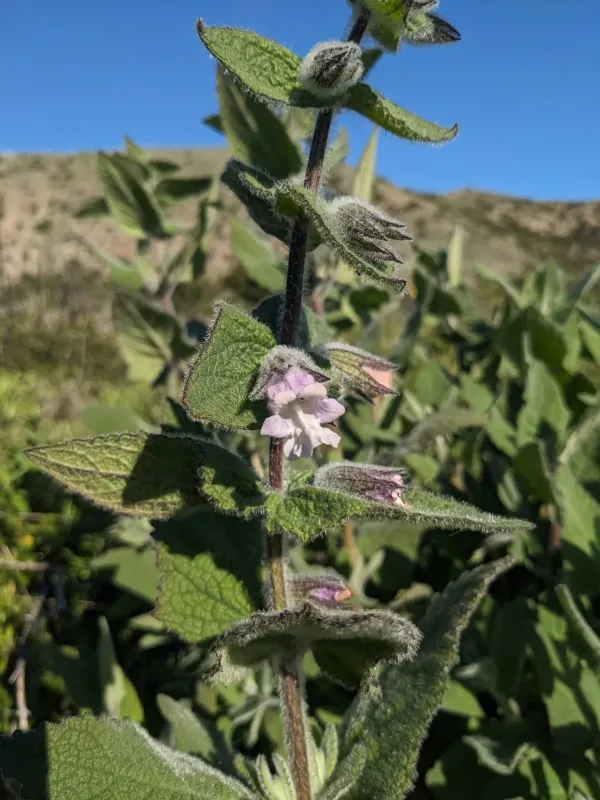
Description
Sowing dates
Lepechinia fragrans is a member of the Lamiaceae family, known for its aromatic properties and specific propagation requirements.
Sowing should ideally be started in late winter or early spring using seed trays to ensure strong seedlings before transplanting.
Cold stratification is highly recommended for Lepechinia seeds to break dormancy and significantly improve germination rates.
Transplanting into the garden bed is performed once the danger of frost has completely passed and soil temperatures have stabilized.
Proper spacing is essential, allowing for sufficient light penetration and preventing the overcrowding of mature plants.
Growing requirements
This species thrives in locations with full sun exposure, which is necessary for the development of its fragrant essential oils.
Well-drained soil is non-negotiable for this plant, as waterlogged conditions often lead to rapid decline and root rot issues.
The plant demonstrates good tolerance to moderate drought but benefits from consistent irrigation during the peak growing season.
Fertilization with a balanced, slow-release fertilizer can support lush foliage growth and enhance the production of biomass.
Soil pH should ideally be neutral to slightly alkaline, ensuring that micronutrients are readily available for the plant's uptake.
Main diseases and pests
Fungal diseases like powdery mildew are the most common threats to Lepechinia fragrans, especially in stagnant, humid environments.
Pests such as aphids and spider mites can colonize the leaves, requiring prompt identification and manual or chemical management.
Root pathogens associated with excessive soil moisture are a major cause of crop failure in poorly managed commercial fields.
Preventative measures, such as maintaining adequate space between rows, significantly reduce the risk of disease spread.
Integrated pest management strategies are advised to minimize chemical input while ensuring the health of the cultivated plants.
Harvesting
Harvesting is best conducted at the onset of flowering, as this is when the essential oil content is at its peak concentration.
The stems should be cut carefully, leaving a portion of the base to facilitate regrowth and plant longevity across the season.
Drying must take place in a cool, shaded area with constant airflow to preserve the volatile compounds that give the plant its aroma.
Care should be taken not to overheat the plant material during the drying process, as this will result in the loss of medicinal quality.
Properly dried material should be stored in opaque, airtight containers to maintain its sensory and therapeutic properties for a long time.