
Lepechinia bella
Lepechinia bella
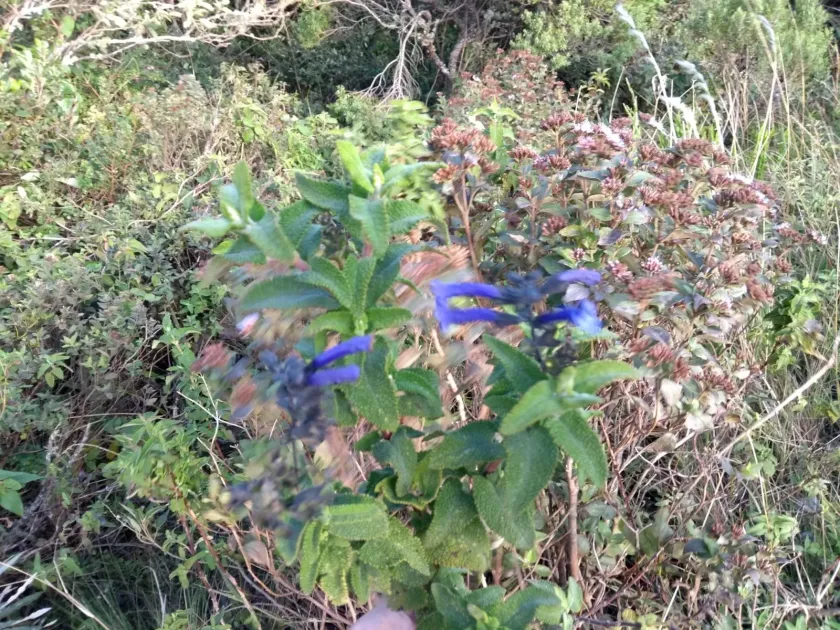
Description
Sowing dates
Lepechinia bella is typically propagated through seeds or stem cuttings. Seed sowing is best performed in a greenhouse environment during late winter to ensure strong seedlings for the upcoming season.
The seeds require a consistent temperature of around 20 degrees Celsius for optimal germination. A well-draining, sterile seed-starting mix is essential to prevent seedling rot and ensure healthy root development.
Once seedlings reach a stage with several sets of true leaves, they should be hardened off before being transplanted into their permanent location in the garden.
Stem cuttings are a reliable way to maintain the desirable characteristics of the parent plant. Using a rooting hormone and high-humidity environment will significantly improve success rates during propagation.
Proper spacing is crucial to prevent overcrowding. When planting, maintain a distance of at least 40 to 50 cm between plants to allow for sufficient airflow and light penetration.
Growing requirements
This species belongs to the Lamiaceae family and is native to the Andean regions of South America. It prefers high-altitude climates and requires plenty of sunlight to thrive and bloom effectively.
The soil should be light, fertile, and exceptionally well-draining. Lepechinia bella is prone to root rot if water lingers in the root zone, making soil texture a critical factor for success.
It prefers a slightly acidic to neutral soil pH. Incorporating organic matter, such as well-rotted compost, into the planting site will provide necessary nutrients and improve soil structure.
Watering should be balanced. The soil should remain consistently moist during the growing season, but never saturated. In hot weather, mulching around the base of the plant can help regulate soil moisture and temperature.
Regular fertilization with a balanced, low-nitrogen liquid fertilizer will support vigorous blooming. Avoid heavy nitrogen applications, as these may lead to excessive foliage growth at the expense of flower production.
Main diseases and pests
Root rot is the most significant threat, often exacerbated by poor soil drainage or excessive watering. Ensuring the soil drains freely is the primary preventative measure against this pathogen.
Common pests include aphids and spider mites, which can sap the plant's vitality. Regular inspection of the underside of leaves can help detect early infestations before they spread.
Mildew may occur if air circulation is inadequate. Planting in open, airy locations and avoiding overhead irrigation can significantly reduce the risk of fungal infections.
Systemic insecticides or organic horticultural oils can be used to manage persistent pest populations. Always follow product labels to ensure safe application near sensitive plant tissues.
Climate vulnerability is a key consideration, as Lepechinia bella is not fully frost-hardy. Proper winter protection or relocation to a frost-free area is required in regions that experience sub-zero temperatures.