
Lepechinia salviifolia
Lepechinia salviifolia
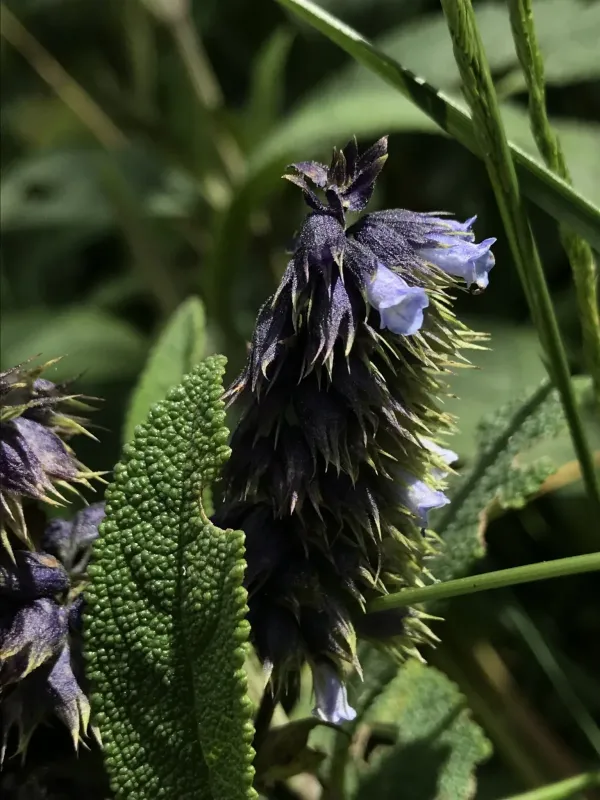
Description
Growing requirements
Lepechinia salviifolia is a perennial semi-shrub belonging to the Lamiaceae family. It is known for its distinct sage-like foliage, which features a fine pubescence and releases a pleasant aroma when handled.
The plant originates from the Andean regions of South America. It thrives in temperate mountain climates and requires well-drained, fertile soil to ensure proper root development and health.
Botanical features include upright stems and dense, ovate leaves that help the plant retain moisture during dry periods. It is highly valued for its adaptation to high-altitude ecosystems, which makes it a unique candidate for specific niche agricultural production.
Cultivation requirements focus on providing ample sunlight exposure. The soil should be kept moist but never waterlogged, as the species is highly susceptible to root diseases if drainage is inadequate.
Economically, the plant is processed for its bioactive secondary metabolites, which are used in traditional medicine and the essential oil industry due to their antimicrobial properties.
Main diseases and pests
Common diseases affecting Lepechinia salviifolia include fungal infections, specifically powdery mildew and root rot, which typically appear during periods of high humidity or poor soil aeration.
Pests such as aphids and spider mites represent the most significant threats to crop health. These insects can rapidly proliferate in warm conditions, damaging the photosynthetic tissue of the leaves.
Integrated pest management (IPM) is recommended to control populations of aphids. This includes the use of predatory insects and the physical removal of heavily infested plant parts.
Preventative strategies are essential, involving the maintenance of spacing between plants to ensure proper airflow, which significantly reduces the risk of fungal spread.
Farmers must monitor the plantation regularly, paying close attention to leaf undersides where pests are most likely to reside, ensuring early detection and effective control.