
Lepechinia hastata
Lepechinia hastata
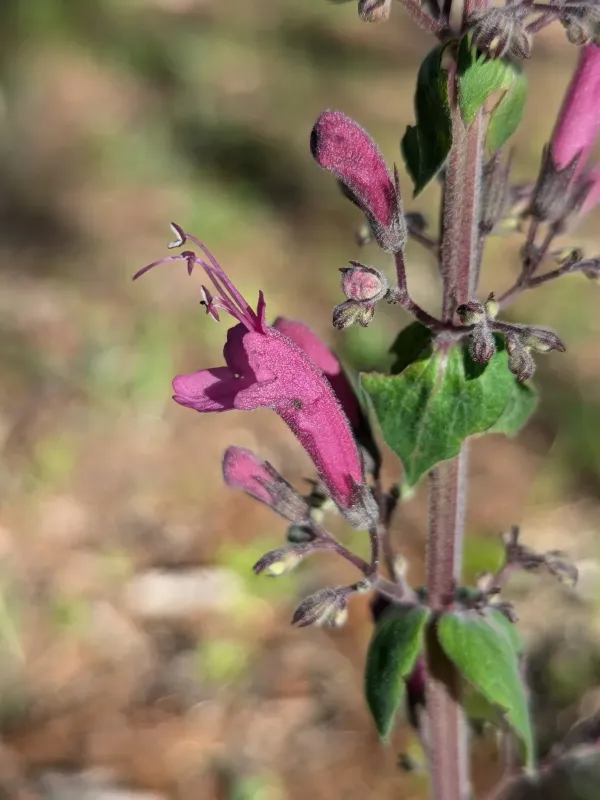
Description
Sowing dates
Lepechinia hastata, commonly known as pitcher sage, belongs to the Lamiaceae family. Propagation is primarily achieved through seeds, which should be sown in a sterile, well-draining seed-starting mix during late winter or early spring.
Seed stratification is often recommended to improve germination rates, as the seeds may have dormancy requirements. Seeds should be sown at a shallow depth of approximately 0.5 cm, as they require some light exposure to germinate optimally.
Maintaining a constant temperature between 20°C and 22°C is essential during the incubation phase. High humidity should be managed with clear covers or domes, but air circulation must be introduced as soon as germination occurs to prevent damping-off.
Seedlings should be pricked out into individual pots once they develop their first set of true leaves. This allows the root system to expand and hardens the plant before it is introduced to the outdoor environment.
Hardening off is a critical stage before final transplanting. Gradually exposing the seedlings to outdoor conditions over a week will reduce transplant shock and promote sturdier stem growth before setting them in the garden beds.
Growing requirements
The plant thrives in full sun, although it can tolerate partial shade in hotter climates. Adequate sunlight is necessary to maintain the structural integrity of the plant and to encourage the production of its signature inflorescences.
Soil quality is paramount for Lepechinia hastata. It requires fertile, well-draining soil with a pH ranging from slightly acidic to neutral. Heavy, water-logged soils must be amended with organic matter or gravel to improve drainage.
While the species is relatively drought-tolerant once established, it responds best to consistent moisture during the peak growing season. Watering should be directed at the base to prevent moisture from sitting on the foliage.
Fertilization should be handled with care. A balanced, slow-release fertilizer applied in early spring is generally sufficient. Excessive nitrogen can lead to rapid, weak growth that makes the plant prone to lodging or disease.
Winter care involves providing adequate mulch to protect the crown from freezing temperatures. In regions prone to extreme cold, placing a thick layer of straw or wood chips helps preserve the roots during the dormant period.
Main diseases and pests
Fungal pathogens, particularly root rot, are the most significant threat to Lepechinia hastata. These conditions are almost always linked to poor drainage or excessive irrigation practices that keep the rhizosphere permanently saturated.
Powdery mildew can become a nuisance during humid, stagnant weather conditions. Improving air circulation by thinning the plant and ensuring proper spacing between individuals is the most effective cultural control method available.
Common insect pests include aphids and spider mites, which can infest the tender shoots during dry spells. These pests sap the plant's vitality and may require targeted treatment with insecticidal soaps or horticultural oils.
Slugs and snails can cause significant damage to young plants, especially in cool, moist environments. Using copper barriers or organic slug bait can effectively manage these pests without damaging the surrounding ecosystem.
Regular maintenance, including the removal of dead or diseased foliage, is essential to prevent the spread of pathogens. Keeping the base of the plant clear of debris also helps in reducing the population of unwanted insects and fungal spores.