
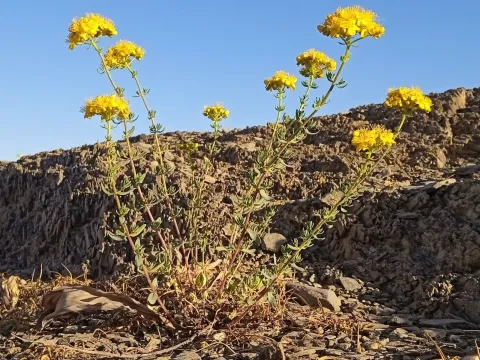
Hypericum scabrum
Hypericum scabrum
Hypericum scabrum is a perennial herbaceous plant from the Hypericaceae family known for its high resilience and adaptability to arid environments.
What the section contains
Hypericum scabrum
In agricultural practice, seeding is recommended in early spring once soil temperatures reach 8–10 degrees Celsius, or via autumn sowing to allow natural stratification.
The seeds should be sown at a shallow depth of 0.5–1 cm because they are very small and require light for optimal germination and early growth.
Commercial plantations typically use a row spacing of 45 to 60 cm to facilitate mechanical soil cultivation and weed control throughout the growing season.
Once established, the crop can remain productive for 5 to 7 years, significantly reducing the costs associated with annual soil preparation and replanting.
This species is a typical xerophyte, making it an excellent candidate for regions facing water scarcity or low annual precipitation levels.
The crop thrives in sunny, open areas with light, sandy, or stony soils that offer excellent drainage, as waterlogging is detrimental to its root health.
The optimal pH range for this plant is between 6.0 and 7.5; highly acidic soils must be treated with lime prior to planting to ensure proper nutrient uptake.
Hypericum scabrum is remarkably frost-resistant and can endure both harsh winters and intense summer heat without significant impact on its chemical profile.
Balanced fertilization, particularly with potassium and phosphorus, supports the accumulation of active compounds, enhancing the value of the harvested biomass.
Yield capacity matures by the third or fourth year of growth, with well-managed plantations providing stable harvests for several years thereafter.
Farmers can expect an average yield of 1.5 to 2 tons of dry raw material per hectare when following standardized agronomic guidelines.
The quality of the yield is highly dependent on the timing of the harvest, which must coincide with the peak flowering phase to maximize active substance content.
Regular weeding and soil aeration between rows are critical factors that can increase total biomass production by 20 to 30 percent.
The product is primarily utilized in the pharmaceutical and nutraceutical industries for the extraction of hypericin and other therapeutic metabolites.
While the plant is generally robust, improper crop rotation can lead to the development of various root rot diseases in poorly drained soil conditions.
Fungal leaf spots may occur during periods of high humidity and rainfall, which can negatively affect the marketability of the dried herbal product.
Leaf beetles are the most significant insect pests, capable of causing rapid defoliation and reducing the plant's overall photosynthetic capacity.
Integrated pest management, including the use of biological control agents and maintaining optimal plant density, helps to mitigate these risks effectively.
Keeping the plantation free of weeds is essential, as invasive species can create micro-climates that harbor both pests and fungal pathogens.
Harvesting should be performed during the mass flowering period, ensuring that only the tops of the shoots are collected for the best quality material.
Using mechanical harvesters set to a height of 10–15 cm above the soil surface promotes healthy regeneration for the subsequent growing season.
Harvested material must be processed immediately to prevent heating and spoilage, which could degrade the delicate botanical compounds present in the plant.
Drying is carried out in shaded, well-ventilated areas or specialized ovens at temperatures not exceeding 45 degrees Celsius to preserve the plant's natural pigments.
Final quality control ensures the dried herb retains its signature aromatic properties, vibrant color, and purity without contamination from foreign matter.