
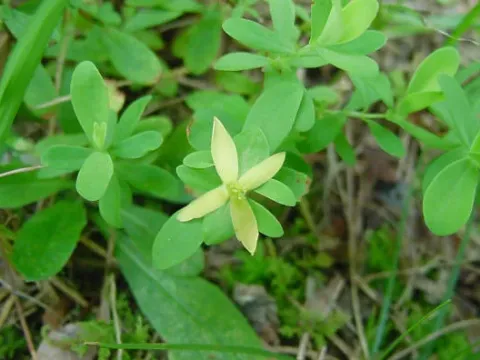
Ascyrum
Ascyrum
Ascyrum is a genus of perennial herbs and subshrubs belonging to the Hypericaceae family. While historically often classified under the genus Hypericum, Ascyrum is recognized for its unique floral morphology, specifically its four-petaled yellow flowers and distinct stamen arrangement.
What the section contains


Ascyrum
Native primarily to North and Central America, these plants are adapted to a range of environments. They are most commonly found in open habitats, including sandy plains, rocky slopes, and the margins of woodlands, showing significant adaptability to different light conditions.
From a botanical perspective, the plant features opposite leaves, often marked with translucent glands containing essential oils. The stems are typically branched and may become woody at the base, giving the plant a durable, semi-shrubby appearance during the growing season.
Successful cultivation requires well-drained, slightly acidic to neutral soil. Ascyrum plants thrive in sunny locations and are sensitive to heavy, waterlogged soils that can cause root distress. Incorporating organic matter into the soil helps maintain the necessary moisture balance without causing stagnation.
In terms of usage, Ascyrum is a popular choice for ornamental horticulture. It is frequently employed in rock gardens, borders, and naturalistic landscape designs due to its vibrant flowering period and low maintenance profile once established.
The primary diseases affecting Ascyrum include powdery mildew and leaf spot fungi. These issues typically emerge in environments with poor air circulation or high humidity levels, necessitating consistent monitoring during the peak of the growing season.
Insect pests such as aphids and spider mites are common threats. These small sap-sucking insects can weaken the plant and reduce its visual appeal; however, they can be effectively managed with horticultural soaps or selective insecticide treatments.
Root rot remains a critical concern, usually resulting from overwatering or inadequate soil drainage. Establishing a robust drainage system and avoiding deep irrigation in cooler or overcast weather is essential for plant health.
Nematodes, while less frequent in northern regions, can impact root health in warmer climates. Implementing crop rotation and using sanitized soil or substrates for propagation can minimize the risk of infestation.
Maintenance practices like deadheading spent flowers and thinning out old, congested stems are recommended to prevent fungal development and ensure the overall vigor of the perennial display.