
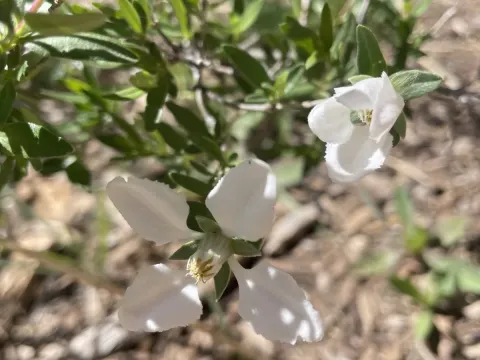
Fendlera
Fendlera
Fendlera is a genus of deciduous shrubs belonging to the Hydrangeaceae family. The most prominent species, Fendlera rupicola, is native to the rocky, arid habitats of the southwestern United States and northern Mexico, where it thrives in challenging conditions.
What the section contains


Fendlera
This shrub is characterized by a slow growth rate and an elegant, upright habit. It typically grows to a height of 1–2 meters, featuring slender branches that develop characteristic exfoliating bark as the plant matures, adding winter interest to the landscape.
The primary cultivation requirement for Fendlera is a well-draining soil substrate. Because it is highly sensitive to root rot, it is best suited for rocky, gritty, or sandy soils where water is not allowed to accumulate around the root system.
The plant requires full sun exposure to flourish and maintain its shape. It is exceptionally drought-tolerant once established and demonstrates remarkable resilience to the fluctuating temperatures common in its native high-desert and mountainous environments.
Its ornamental value peaks during late spring and early summer when the shrub is covered in four-petaled, white or pale pink flowers. These blossoms provide a subtle fragrance and are a significant attractant for pollinators in arid garden ecosystems.
Fendlera is relatively free from major agricultural pests and diseases due to its adaptation to harsh, dry climates. However, the most significant threat remains soil pathogens associated with poor drainage, which can lead to rapid decline during wet seasons.
Pest issues are minimal, though gardeners should monitor for common sap-sucking insects like aphids during periods of high humidity or poor airflow. Regular pruning to remove dead wood is recommended to maintain plant vigor and prevent the spread of fungal issues.