
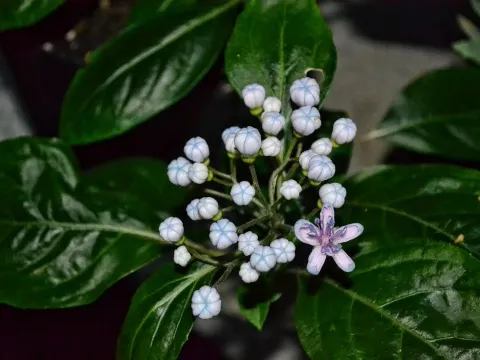
Dichrohydrangea
Dichroa x Hydrangea
Dichrohydrangea is a remarkable intergeneric hybrid originating from crosses between the genera Dichroa and Hydrangea. As a member of the Hydrangeaceae family, it inherits unique features, such as specific foliage textures and distinctive inflorescence structures.
What the section contains
Dichrohydrangea
Originally native to humid subtropical regions, this plant thrives in environments that mimic its natural habitat. It requires a location protected from harsh midday sun and strong winds, which can easily cause leaf scorch in younger specimens.
The ideal soil for this hybrid is well-draining, moisture-retentive, and rich in organic matter. Maintaining a slightly acidic pH level between 5.5 and 6.5 is essential for optimal nutrient uptake and maintaining the vibrancy of its flowers.
Regular irrigation is vital for the health of the plant, especially during the active growing season. The substrate should remain consistently moist but never waterlogged to prevent root issues, reflecting the high water demands of its hydrangea parents.
Cultivation in cooler climates necessitates the use of containers. This allows gardeners to move the plant into frost-free areas during winter months, ensuring the plant enters a period of dormancy in a controlled, cool environment.
Powdery mildew and gray mold (Botrytis) are the primary fungal threats, particularly when the humidity is high and air circulation is insufficient. These pathogens can rapidly degrade the plant's aesthetic value if left untreated.
Spider mites are a common pest in indoor or greenhouse settings where the air is dry. They feed on the underside of leaves, causing a stippled appearance and potential defoliation if infestation reaches critical levels.
Aphids are frequent visitors that target the tender, new growth of the plant. Gardeners should monitor the tips of the branches regularly and employ biological or chemical control methods to minimize the impact of these sap-sucking insects.
Root rot is often associated with poor drainage or overwatering. Using an appropriate potting mix with added perlite or horticultural grit helps ensure sufficient oxygen reaches the roots, mitigating the risk of fungal decay.
Sanitation practices, such as removing dead or dying plant material, are crucial in preventing the spread of diseases. Always ensure pruning tools are cleaned and sanitized between cuts to protect the plant's overall vascular health.