
Fendlerella
Fendlerella
Fendlerella is a genus of perennial deciduous shrubs belonging to the Hydrangeaceae family. In their natural habitat, these plants are primarily found in arid, mountainous regions of the southwestern United States, including Arizona, Nevada, and New Mexico.
What the section contains

Fendlerella
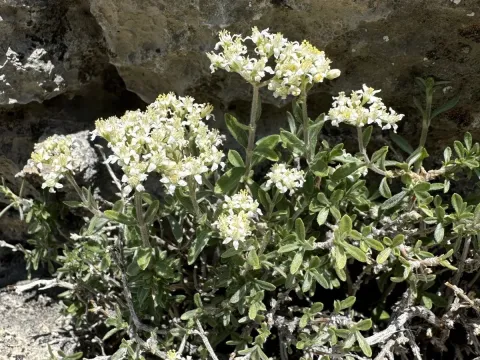
Botanically, the culture is characterized by its compact habit and tendency to form dense clumps. The branches are densely covered with small, opposite leaves, and during the flowering period, the shrub is covered in clusters of small white or pinkish flowers.
For successful cultivation, well-draining soil is critical. Given that the plant thrives in rocky or stony environments in the wild, heavy clay soils that retain moisture can be detrimental to the root system, often leading to rapid decline.
The plant exhibits high tolerance to drought conditions and intense solar radiation. It prefers open areas with high light exposure, where it displays optimal decorative qualities and develops a dense, healthy canopy with consistent blooming cycles.
Fendlerella is used exclusively as an ornamental plant in landscape architecture. Due to its hardiness, it is an excellent candidate for rock gardens, xeriscaping projects, and slope stabilization in regions characterized by hot and dry climates.
The primary threat to the health of Fendlerella is root rot, which typically occurs due to poor horticultural management and waterlogging in the root zone. Such conditions promote the growth of pathogenic fungi that degrade the plant's vascular system.
When grown in unsuitable climatic conditions, the plant may become susceptible to powdery mildew, particularly when high humidity levels coincide with poor air circulation within the canopy, leading to a breakdown in plant vigor.
Pests affecting Fendlerella are common to many ornamental shrubs. Aphids are frequently observed on the plant, as they feed on succulent young shoots and developing flower buds, which can stunt overall growth and weaken the plant structure.
Spider mites can pose a significant risk during prolonged periods of extreme heat, especially if preventative moisture measures are neglected. These pests colonize the underside of leaves, causing chlorosis and premature leaf drop.
To prevent the spread of pests and diseases, it is essential to maintain optimal spacing between individual plants to ensure adequate ventilation. If signs of infestation appear, systemic insecticides and fungicides should be applied according to standard horticultural protocols.