
Hernandia sonora
Hernandia sonora
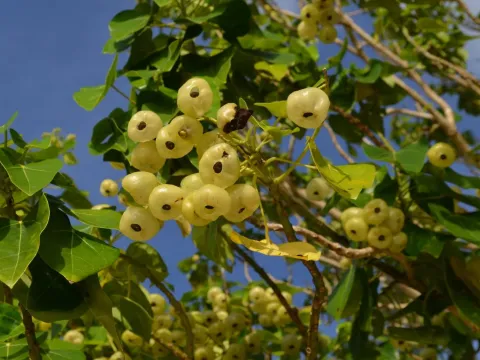
Hernandia sonora is a robust, evergreen tropical tree belonging to the Hernandiaceae family. It is recognized by its large, glossy leaves and distinctive, bladder-like fruits that encase the seeds, providing a unique appearance to the tree canopy.
What the section contains
Hernandia sonora
The species thrives in tropical climates characterized by high humidity and consistent warmth, generally requiring temperatures between 22 and 30 degrees Celsius. It is highly intolerant of frost, which makes it unsuitable for outdoor cultivation in temperate regions.
Ideal soil conditions include deep, nutrient-rich, and well-draining substrates. While the plant can tolerate coastal conditions and saline air, it performs poorly in waterlogged soils where root rot can easily develop.
Native to coastal tropical areas across the Caribbean and parts of Asia, Hernandia sonora acts as a natural windbreak. Its structural integrity allows it to withstand strong winds, provided it is established on stable, well-drained ground.
The agronomic cycle begins with seed germination. Seeds typically require mechanical scarification to break dormancy and ensure uniform emergence, followed by careful shading of seedlings to protect them from direct, intense tropical sunlight.
The economic value of Hernandia sonora is primarily linked to its lightweight wood, which is utilized in artisanal woodcraft, souvenir production, and specific light carpentry applications where strength-to-weight ratios are prioritized.
Decorative use is a secondary but notable application, as the unique fruits and the overall structure of the tree make it a sought-after species for landscaping in tropical resorts and botanical gardens.
Although historical ethnobotanical uses of the bark and leaves exist in some traditional systems, modern agricultural focus remains on timber quality and forestry management, as certain parts of the plant may contain bioactive compounds.
Harvesting involves selective logging once trees reach maturity, usually after two decades of growth. Proper harvesting techniques are essential to maintain the health of the surrounding ecosystem and to ensure future natural regeneration.
With its rapid growth rate under favorable tropical conditions, Hernandia sonora represents a potential candidate for reforestation projects aimed at restoring coastal ecosystems and protecting vulnerable coastlines from erosion.
Fungal pathogens remain the primary threat to Hernandia sonora plantations, particularly during the rainy season when high ambient moisture encourages the spread of leaf spot and stem rot diseases. Proper spacing is essential for air circulation.
Insect pests, including various wood-boring larvae, can compromise timber quality if left unchecked. Integrated pest management practices, including regular monitoring and the use of targeted biological controls, are recommended.
Weed management during the first three years of establishment is critical. The presence of aggressive climbing vines can smother young trees, preventing them from developing the canopy required for optimal photosynthetic efficiency.
Environmental stressors, such as prolonged drought or intense storm damage, can weaken tree resilience. Post-storm maintenance, including the removal of broken branches, is necessary to prevent secondary fungal infections.
Long-term sustainability efforts must focus on preventing the genetic degradation of the species by protecting natural habitats and ensuring that plantations are established using certified, healthy seed sources.