
Gyrocarpus
Gyrocarpus
Gyrocarpus is a genus of deciduous trees belonging to the Hernandiaceae family. In their natural habitat, these trees are primarily found in dry tropical forests and savannas across Africa, Asia, Australia, and parts of Central America.
What the section contains

Gyrocarpus
The plant thrives in well-drained sandy or rocky soil types. It is highly sensitive to waterlogged conditions, making adequate soil drainage a critical factor for the health and development of the root system.
Ideal climatic conditions for Gyrocarpus include distinct dry seasons and consistently warm annual temperatures. The tree demonstrates remarkable resilience to drought, positioning it as a potential candidate for landscape restoration in arid environments.
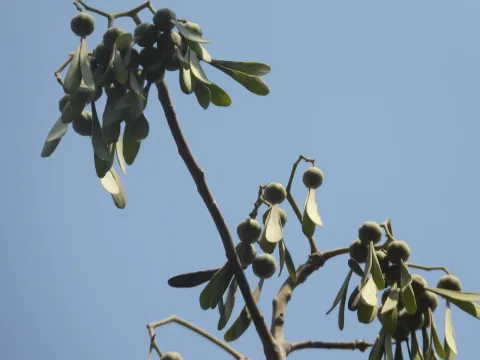
Botanically, Gyrocarpus is recognized for its unique winged fruits known as samaras. These fruits feature specialized appendages that facilitate wind-aided seed dispersal, which is essential for the natural regeneration of the species in its native range.
From a utility perspective, Gyrocarpus wood is valued for its lightweight nature and low density. It is traditionally utilized in the production of small wooden artifacts, models, and light carpentry, though large-scale commercial cultivation remains limited by its specific environmental needs.
The primary threats to young Gyrocarpus plantations are fungal pathogens, which proliferate under conditions of excessive moisture and poor soil aeration. Root rot is a common issue that can cause significant losses in nursery settings.
Various insect pests, including bark borers and leaf-feeding beetles, can compromise tree vigor in tropical environments. Sustainable management practices emphasize maintaining proper tree spacing to ensure airflow and performing regular sanitary inspections of the stand.