
Heloniopsis
Heloniopsis
Description
Growing requirements
Heloniopsis is a genus of perennial herbaceous plants belonging to the Melanthiaceae family. Native to the humid regions of East Asia, including Japan and the Korean Peninsula, these plants are primarily found in forested environments where moisture is constant.
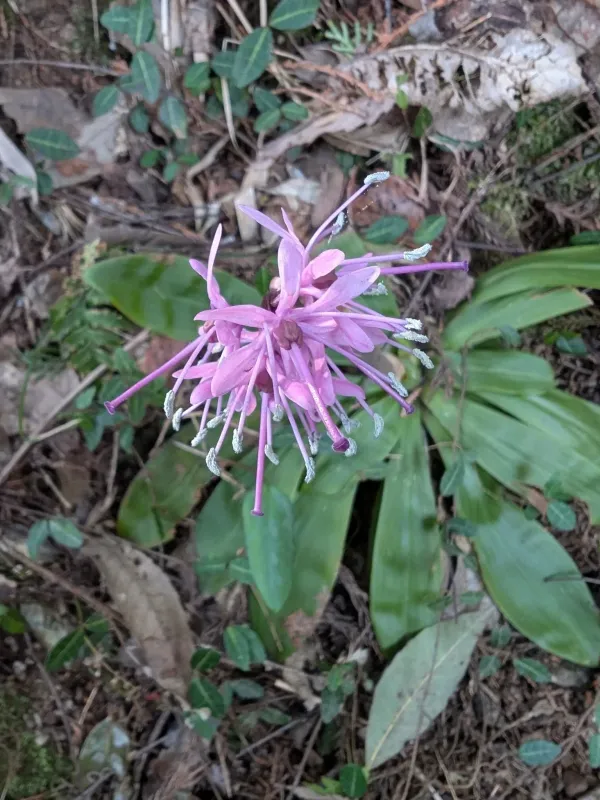
Botanically, Heloniopsis is characterized by a basal rosette of leathery, evergreen leaves. When it flowers, it produces a central scape bearing racemes of elegant, bell-shaped flowers that range in color from pristine white to vibrant shades of pink and purple.
The plant requires shaded or semi-shaded locations to thrive. It is sensitive to direct sunlight, which can scorch its delicate foliage, so it is best to place it in woodland garden areas or under the canopy of larger shrubs and trees.
Soil requirements are quite specific: the substrate must be rich in organic matter, loose, and well-draining yet capable of retaining sufficient moisture. A slightly acidic environment, typical of forest floors with leaf mold and peat, is ideal for healthy growth.
Cultivation practices involve consistent watering, especially during dry spells, and mulching the root zone to maintain soil coolness and moisture. The plants are moderately hardy but benefit from winter protection in colder regions to ensure their survival until spring.
Main diseases and pests
The primary threats to Heloniopsis include various root rot diseases, which typically occur when the soil remains waterlogged for extended periods. Ensuring excellent drainage is a critical component of successful plant health management.
Slugs and snails are the most significant pests for this genus. They are attracted to the plant's succulent, broad leaves, particularly in wet and humid conditions, which can lead to unsightly damage and reduced plant vigor.
To combat these pests, gardeners can employ manual collection, physical barriers, or organic-friendly bait. Keeping the area surrounding the plants clean and free of excessive debris helps reduce hiding spots for these common garden mollusks.
Preventive care for diseases involves monitoring soil moisture levels and avoiding overhead watering, which can promote fungal growth. If disease symptoms appear, removing the affected plant parts is essential to stop further spread.
In addition to physical prevention, proper spacing between plants allows for better air circulation, which naturally discourages the development of fungal pathogens. With diligent care, Heloniopsis remains a long-lived and beautiful addition to shade gardens.