
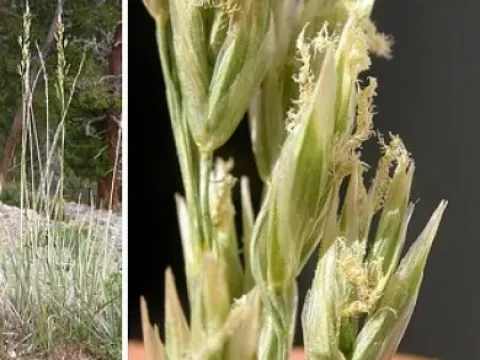
Hesperochloa
Hesperochloa
Hesperochloa is a genus of perennial grasses belonging to the Poaceae family. This plant is well-known for its adaptation to high-altitude environments where environmental stress is a constant factor.
What the section contains
Hesperochloa
Originating from the western regions of North America, this grass has evolved to thrive in rocky, nutrient-poor, and well-drained soils, making it an excellent candidate for land reclamation.
The climatic requirements include high tolerance to temperature fluctuations and ability to survive periods of prolonged dry weather, which is a hallmark of its survival strategy.
In agricultural settings, it requires minimal fertilization, as it is naturally optimized to utilize limited soil nutrients efficiently without excessive biomass waste.
Successful establishment of Hesperochloa stands depends on proper moisture management during the germination phase, although once established, the plants show remarkable endurance.
Like many species within the Poaceae family, Hesperochloa can be susceptible to various rust fungi (Puccinia spp.), especially in humid climates or during seasons with excessive rainfall.
Pests such as grasshoppers and aphids can cause localized damage, particularly in the seedling stage, when the plants are most vulnerable to defoliation.
Improper management practices, such as overgrazing, significantly hinder the plant's ability to regenerate and increase its susceptibility to root diseases and soil-borne pathogens.
Integrated pest management (IPM) strategies, focusing on habitat diversity and natural predator maintenance, are recommended to keep pest populations below economic damage thresholds.
Maintaining a balanced botanical composition in pastures ensures that Hesperochloa retains its vigor and resilience against both biotic and abiotic stressors.