
Hermodactylus
Hermodactylus
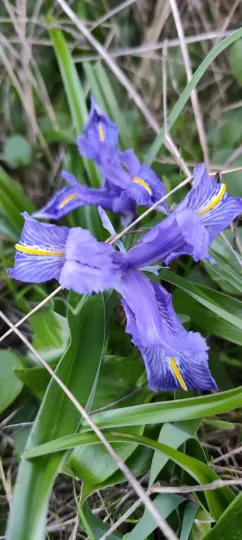
Description
Sowing dates
Planting Hermodactylus tubers should ideally take place in early autumn, several weeks before the ground freezes, allowing for proper establishment.
Choose sites with excellent drainage, as the tubers are highly susceptible to rot if they remain in saturated soil during the winter dormant season.
Set the tubers at a depth of 7 to 10 centimeters, ensuring a spacing of 15-20 centimeters between plants to promote healthy air circulation.
In colder climates, applying a layer of organic mulch after planting helps insulate the soil and prevents frost heaving, which can damage the developing root system.
Avoid late spring planting, as it typically results in weaker growth and often prevents the plant from flowering during its first season.
Growing requirements
Hermodactylus, often classified as Iris tuberosa, is a perennial member of the Iridaceae family known for its unique flower coloration and structure.
The plant thrives in sunny locations that provide adequate warmth in the early spring, which is crucial for triggering its flowering phase.
Well-drained, sandy or loamy soils with a neutral pH are ideal, while heavy clay soils should be amended with organic matter to improve aeration.
While the plant is relatively resilient, moderate moisture is required during the active growth period, followed by a dry resting period in the summer.
Regular fertilization with low-nitrogen, high-phosphorus compounds is recommended to support strong rhizome development and annual flower production.
Main diseases and pests
Fungal diseases, specifically Fusarium wilt and root rot, represent the primary threat to Hermodactylus, particularly in poorly drained or overly damp soils.
Soil-borne pests like wireworms and grubs can cause mechanical damage to the tubers, which frequently leads to secondary bacterial and fungal infections.
Implementing a strict sanitation program, including the removal of infected plant debris and crop rotation, is essential for maintaining a healthy planting site.
Slugs and snails can cause significant damage to foliage in damp conditions, necessitating the use of perimeter barriers or bait traps during the growing season.
Proactive monitoring of the foliage for signs of chlorosis or wilting allows for early intervention and targeted treatment with appropriate fungicides or pesticides.
Harvesting
The harvesting of tubers for propagation or storage should occur once the foliage has turned yellow and withered, indicating the end of the growth cycle.
After lifting the tubers, gently remove excess soil and allow them to cure in a shaded, well-ventilated location for approximately one week.
Store the cured tubers in a cool, dry environment, preferably in boxes filled with dry peat or sand to maintain optimal humidity levels throughout storage.
It is important to periodically inspect stored material to identify and discard any tubers showing signs of rot, ensuring the health of the remaining stock.
For ornamental purposes, clumps should be lifted and divided every three to four years to prevent overcrowding and maintain the vigor of the plant population.