
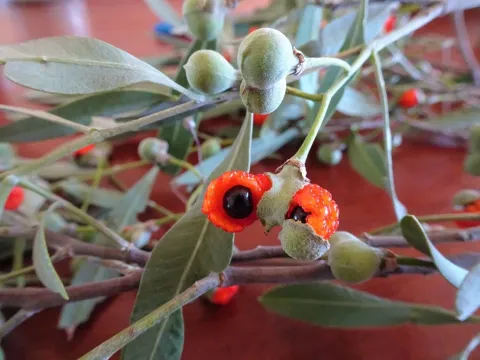
Heterodendron
Heterodendron
Heterodendron is a genus of shrubs and trees belonging to the Sapindaceae family, native to the arid regions of Australia. These plants are well-known for their exceptional resilience in harsh environmental conditions.
What the section contains
Heterodendron
The cultivation of Heterodendron requires significant exposure to direct sunlight. It thrives in hot climates where other vegetation might struggle due to high solar radiation levels and low precipitation rates.
Regarding soil requirements, the plant prefers well-drained loamy or sandy soils. One of its most notable traits is its salt tolerance, which allows it to thrive in saline environments that are unsuitable for many other tree species.
Climate conditions must remain tropical or subtropical, as the plant is not frost-tolerant. Consistent warmth is necessary throughout the year to ensure healthy development and to prevent cold-related foliage damage.
The agricultural usage of Heterodendron focuses on land reclamation and ornamental landscaping. Due to its dense growth habit, it is frequently used to provide shade and reduce soil erosion in arid coastal or inland regions.
Common threats to Heterodendron include various sap-sucking insects, such as scale insects and aphids, which can damage the foliage if populations are not managed effectively.
Fungal pathogens primarily attack the root system, usually as a result of improper irrigation techniques leading to waterlogging, which is a major stress factor for this plant.
Weed competition remains a significant issue during the establishment phase. Young trees require a clear zone around their base to ensure adequate nutrient and moisture uptake without interference.
Integrated pest management (IPM) strategies, including regular scouting and selective pruning of infested branches, are recommended to maintain plant health and vigor.
Maintaining optimal soil moisture levels by avoiding excessive irrigation is the most effective preventative measure against the most common diseases affecting this species.