
Hibiscus asper
Hibiscus asper
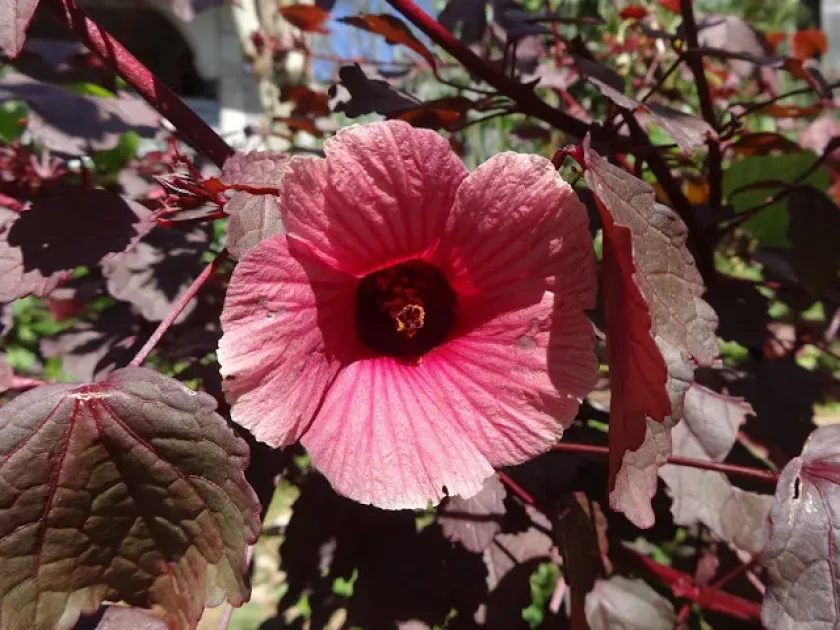
Description
Sowing dates
Sowing of Hibiscus asper is conducted at the beginning of the rainy season when the soil is sufficiently warm and moist. The optimal soil temperature for germination is between 20 and 25 degrees Celsius.
Seeds are sown in rows, maintaining sufficient distance between them to ensure proper sunlight exposure and air circulation. The sowing depth usually ranges from 2 to 3 centimeters depending on soil texture.
In regions with distinct tropical climates, it is essential to time the sowing so that the peak growth phase aligns with the wettest period of the year.
To obtain high-quality fiber, it is important to maintain a high planting density, which encourages the plant to grow vertically and develop long, unbranched stems.
After germination, thinning is performed to leave the strongest plants at intervals of 15–20 centimeters, ensuring optimal development of the root system.
Growing requirements
This crop belongs to the Malvaceae family and is a typical representative of tropical flora. It requires consistently high temperatures throughout the entire vegetative period.
Hibiscus asper prefers fertile, well-drained loamy soils rich in organic matter. The crop is highly sensitive to waterlogging, making elevated land plots the priority for cultivation.
The plant requires intense lighting and cannot tolerate shading, which negatively affects its growth rate and the overall quality of the fiber.
The optimal pH range for growth is between 6.0 and 7.0. In acidic soils, preliminary liming may be necessary to ensure the availability of essential micronutrients.
A key success factor is protecting the plantation from strong winds, which can cause the tall stems of the plant to lodge or break.
Yield
The biomass yield of Hibiscus asper depends directly on agricultural practices, moisture levels, and mineral nutrition. Under favorable conditions, the crop produces significant raw material.
The economic value of the plant lies primarily in the extraction of durable bast fiber, which shares physical and mechanical properties similar to jute fibers.
Harvesting for technical purposes is carried out at the early flowering stage, when the fiber concentration in the stem reaches its peak while remaining elastic.
In addition to fiber, the crop provides biomass that can be utilized as organic fertilizer or as a raw material for cellulose production.
Average stem yields, expressed in dry mass, can vary from 5 to 8 tons per hectare when all cultivation regulations are strictly followed.
Main diseases and pests
Major threats to hibiscus plantations include fungal diseases such as Fusarium wilt and root rot, which often occur when irrigation regimes are poorly managed.
Among pests, sucking insects like aphids and spider mites are the most dangerous, as they extract sap from young leaves and terminal shoots.
Caterpillars of certain moth species can cause severe damage to the leaf canopy, which hinders photosynthesis and reduces the overall yield of marketable products.
To control pest populations, an integrated pest management system is recommended, including timely weeding and the application of biological control agents.
Root-knot nematodes can also be a significant issue, making crop rotation with non-Malvaceae family plants highly advisable.
Harvesting
Harvesting is performed either mechanically or manually, cutting the stems as close to the ground as possible to minimize raw material losses.
After harvesting, the stems undergo a retting process, which is essential for separating the bast fiber from the woody core of the stem.
The retting process requires careful monitoring of water temperature and typically lasts from several days to two weeks depending on the regional climate.
Once extracted, the fiber is washed, dried under direct sunlight, and graded based on its quality characteristics for subsequent industrial processing.
Proper drying is of critical importance, as high residual moisture can lead to raw material spoilage during storage and transportation.