
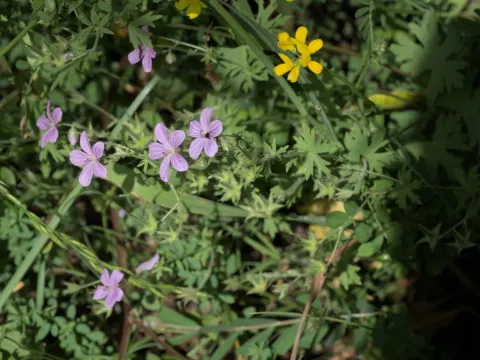
Asphodel-leaved cranesbill
Geranium asphodeloides
Sowing seeds of Geranium asphodeloides is best conducted during the autumn period for natural stratification, which ensures uniform germination in the following spring season.
What the section contains
Asphodel-leaved cranesbill
For indoor propagation, gardeners should use a well-draining soil mix consisting of peat, perlite, and sand to prevent waterlogging and facilitate healthy seedling development.
Seed depth should not exceed 1 centimeter to allow for adequate oxygen access to the germinating embryos, ensuring a strong and vigorous root system.
When transplanting into open ground, it is recommended to maintain a spacing of at least 30 centimeters to account for the plant's natural spreading habit over time.
Young transplants benefit from a light application of organic mulch around the base, which helps retain moisture and suppress weed growth during the establishment phase.
As a member of the Geraniaceae family, this perennial herb is highly valued for its resilience and ability to thrive in diverse environmental conditions across its native range.
The plant performs best in full sun or partial shade, provided the soil is fertile and maintains a consistent, yet not excessive, moisture level throughout the growing period.
Soil quality is paramount; the species thrives in well-drained, slightly loamy soils with a neutral pH, ensuring that essential nutrients are readily available for uptake.
Climate adaptability is one of its core strengths, as it demonstrates significant tolerance to temperature fluctuations and periods of seasonal water scarcity.
Regular maintenance, including removing spent flower stalks, encourages secondary blooming and helps maintain a compact, aesthetically pleasing plant structure.
Primary threats to plant health include fungal diseases such as powdery mildew, which often develops in areas with high humidity and poor air circulation around the foliage.
Pests like aphids and spider mites may occasionally infest the foliage, particularly during prolonged dry spells when the plant's natural defenses are slightly weakened.
Effective management strategies involve monitoring for signs of discoloration on leaf surfaces and utilizing horticultural oils or soaps to mitigate pest pressure.
Improving the surrounding microclimate by thinning out crowded plantings can significantly reduce the incidence of fungal issues and promote overall plant vigor.
Prompt identification of disease markers, such as wilting or leaf spots, allows for targeted intervention, preserving the health of the entire collection.