
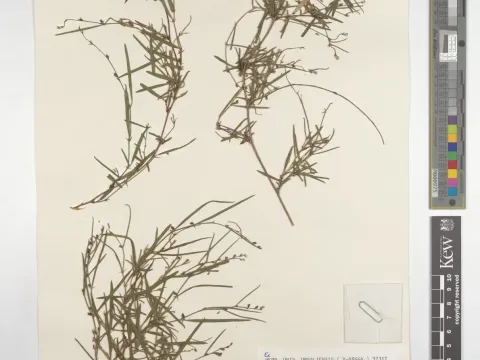
Tephrosia heterophylla
Tephrosia heterophylla
Tephrosia heterophylla is a perennial legume widely recognized for its role in sustainable agriculture and soil improvement. Originating from tropical environments, it is characterized by its adaptability to various harsh ecological conditions.
What the section contains
Tephrosia heterophylla
The plant thrives in well-drained soils, showing a remarkable tolerance for low-fertility landscapes. Its deep root system helps in stabilizing sandy soils and accessing subsoil moisture during extended dry seasons.
As a nitrogen-fixing legume, it plays a vital role in restoring soil nitrogen levels. By forming a symbiotic relationship with nitrogen-fixing bacteria, it provides a cost-effective and natural way to increase soil fertility in agricultural fields.
Sunlight is critical for the healthy development of this species. It is a heliophilous plant that maximizes its biomass production in full sun, making it ideal for tropical climates where solar intensity is consistently high.
Good soil preparation prior to sowing is beneficial to establish a deep root system. Once established, the crop demonstrates high resilience, minimizing the need for intensive maintenance or additional synthetic fertilization.
Pests such as aphids and various larvae of Lepidoptera are common threats that can defoliate the plants. These insects can significantly weaken the plant's photosynthetic capacity if left unmanaged during the early stages.
Root rot caused by waterlogging is a primary concern in heavier clay soils. Proper drainage management is essential to prevent fungal infections that target the roots and inhibit nitrogen-fixing activity.
Nematode infestations can also impair the plant's health, affecting root development and reducing its overall biomass yield. Crop rotation strategies are typically employed to manage soil-borne pathogen populations.
In humid areas, leaf spot diseases can develop if air circulation between plants is poor. Thinning the canopy or maintaining correct plant spacing is recommended to enhance ventilation and mitigate fungal growth.
Integrated Pest Management (IPM) practices, including the use of biological control agents and resistant cultivars, are the preferred methods for protecting stands in commercial agricultural operations.