
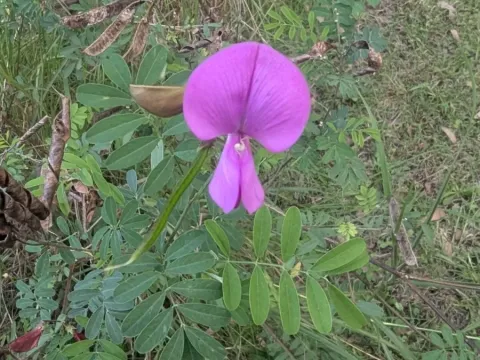
Tephrosia grandiflora
Tephrosia grandiflora
Tephrosia grandiflora is a warm-season perennial that requires specific thermal conditions for optimal germination. Sowing should coincide with the beginning of the rainy season to ensure that the soil retains sufficient moisture for the seeds to establish themselves without additional irrigation.
What the section contains
Tephrosia grandiflora
Seed preparation is a vital aspect of the cultivation process. Due to the presence of a hard seed coat, scarification is often recommended to break dormancy and ensure uniform emergence across the field, which leads to a more consistent crop stand.
Seeds should be planted at a shallow depth of 2–3 cm. This depth allows the seedlings to emerge quickly while maintaining contact with the moist soil strata, which is critical for preventing the delicate radicle from drying out under hot sun conditions.
The soil temperature is a key factor; it should consistently remain above 20°C for the most vigorous growth. Cold soil significantly hinders root development, which makes the young plants susceptible to soil-borne pathogens and nutrient deficiencies.
Planting density is adjusted based on the intended use of the crop. For green manure or soil improvement purposes, higher density planting is preferred to maximize biomass production, whereas lower densities are chosen for seed multiplication fields.
As a member of the Fabaceae family, Tephrosia grandiflora thrives in well-drained, aerated soils. It is particularly well-suited to sandy or loamy-sand textures, where its root system can penetrate deeply to improve soil structure and water infiltration.
The plant requires full sun exposure to maintain high photosynthetic activity. Insufficient lighting leads to elongated stems, poor flowering, and reduced ability to form symbiotic relationships with nitrogen-fixing bacteria in the root nodules.
Once established, the crop is highly drought-tolerant. This trait makes it an excellent choice for agroforestry systems or degraded land reclamation in regions where water availability is periodic and unpredictable during the growing season.
Soil pH levels should ideally be slightly acidic to neutral. In these conditions, the biological activity in the rhizosphere is optimized, allowing the plant to fix nitrogen effectively and contribute to the overall fertility of the surrounding soil.
Minimal fertilization is required, as the crop is adapted to low-fertility soils. However, a light application of phosphorus at the time of sowing can stimulate root development, which is essential for the long-term vigor of this perennial plant.
The primary insect threats include leaf-eating beetles that can cause significant defoliation during the early stages of growth. Integrated pest management strategies, including the use of biological controls, are effective in maintaining populations below damaging levels.
Fungal diseases like anthracnose and powdery mildew are prevalent in areas with high humidity and poor ventilation. Providing adequate spacing between plants is the most effective cultural method to prevent the rapid spread of these pathogens.
Root rot, driven by waterlogged soil conditions, represents a major risk. Poor drainage leads to an oxygen-deprived environment that promotes the growth of anaerobic fungi, which quickly destroy the plant's vascular system and lead to plant death.
Crop rotation is essential to prevent the buildup of soil-borne diseases and nematodes. Planting non-leguminous crops in the rotation cycle helps to break the lifecycle of specific pathogens that target Tephrosia species.
Regular field scouting is recommended to identify early symptoms of disease. Timely removal of affected plants and the application of targeted, environmentally safe fungicides can prevent localized outbreaks from becoming widespread issues.