
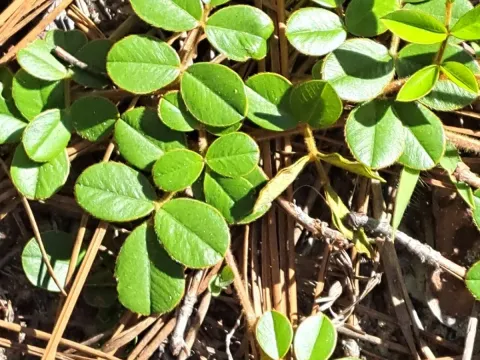
Tephrosia chrysophylla
Tephrosia chrysophylla
Tephrosia chrysophylla is a perennial leguminous plant belonging to the family Fabaceae. This species is recognized for its creeping growth habit and its potential to serve as a high-quality cover crop in agricultural systems.
What the section contains
Tephrosia chrysophylla
The native habitat of this plant includes tropical and subtropical regions, with significant distribution across North America. It thrives in well-drained, sandy soils where its deep root system can effectively establish and access available resources.
Optimal growth conditions for Tephrosia chrysophylla include high solar radiation and a warm climate. The plant is drought-tolerant once established, making it a sustainable choice for regions with fluctuating seasonal rainfall patterns.
Agronomic management focuses on enhancing the plant's nitrogen-fixing capabilities through symbiotic associations with soil bacteria. This process contributes significantly to the natural fertility of the soil, reducing the dependency on synthetic nitrogen fertilizers.
Proper soil preparation, including loosening the soil to allow deep root penetration, is essential for the early stages of development. The plant prefers slightly acidic to neutral soil pH levels to maintain nutrient bioavailability.
Like many members of the pea family, Tephrosia chrysophylla can be susceptible to various insect pests, including aphids and pod-boring larvae that target reproductive structures and tender foliage.
Fungal pathogens such as leaf spot diseases and root rot can occur, especially in poorly drained soil or under conditions of high humidity where air circulation is limited among the dense canopy.
Effective management includes maintaining a robust crop rotation strategy to break the life cycles of soil-borne pathogens. This helps in preserving the health of the field for subsequent planting cycles.
Integrated pest management (IPM) practices, such as encouraging natural predators and using selective botanical insecticides, are highly recommended to control populations of harmful insects without harming beneficial fauna.
Periodic field scouting is vital to detect any signs of stress or pest infestation early, allowing for targeted interventions that keep the crop healthy and productive throughout the growing season.