
Silver Glycine
Glycine argyrea
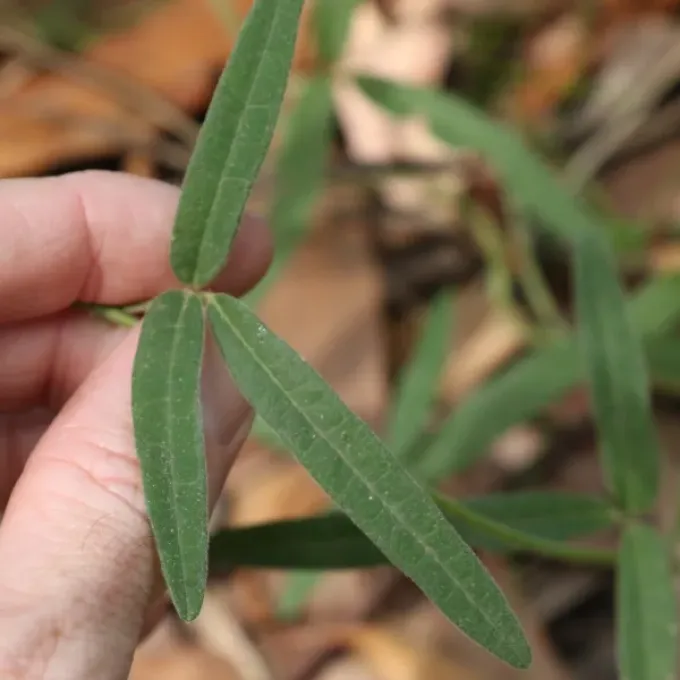
Description
Sowing dates
Silver Glycine (lat. Glycine argyrea) belongs to the Fabaceae family and is a wild relative of the cultivated soybean. In agricultural practice, sowing is performed when the soil temperature at the planting depth reaches +12...+15°C.
The optimal sowing time occurs in the second half of spring. Seeds are placed at a depth of 3–5 cm, depending on the soil type, ensuring adequate moisture contact for successful germination.
Seeding rates are adjusted based on the intended use of the crop. For green mass production, higher plant density is used to maximize biomass yield before harvest.
Seed inoculation with specific bacterial strains is recommended to enhance nitrogen fixation. This process promotes robust root system development and increases the plant's natural resistance.
Early sowing must be timed to avoid frost risks, as young seedlings are sensitive to low temperatures. A stable, warming climate is essential for uniform crop emergence.
Growing requirements
The crop requires well-lit, sunny areas with protection from heavy winds. It thrives in regions with warm and temperate climates, showing good adaptation to such conditions.
Soil requirements include neutral or slightly acidic pH levels. The best development is observed in light loams and sandy loam soils that possess good drainage properties.
Water availability is critical during the flowering and pod-filling stages. Drought stress during these periods can significantly reduce the overall productivity and yield quality.
As a legume, it contributes to soil fertility through nitrogen fixation. This makes Silver Glycine an excellent crop for rotation systems, improving soil health for subsequent plants.
Weed management is vital during the initial growth phase, as the young plants have a slow early development rate and can be easily outcompeted by aggressive weeds.
Main diseases and pests
Common diseases affecting the crop include downy mildew and anthracnose, which are prevalent in high-humidity conditions. These fungal pathogens can cause severe damage if management is neglected.
Pest threats include nodule weevils and aphids, which damage leaves and growing points. These pests can significantly stunt plant growth and reduce overall vigor.
Disease prevention strategies focus on crop rotation and selecting healthy seeds. Regular field monitoring is essential to catch early signs of outbreaks and manage them effectively.
Integrated Pest Management (IPM) practices, including the use of selective insecticides, are applied only when economic damage thresholds are exceeded to minimize environmental impact.
Proper field hygiene and clean seed selection help prevent the build-up of soil-borne pathogens, ensuring healthier harvests year after year in specialized crop rotations.
Harvesting
Harvesting begins when the seeds reach biological maturity, indicated by the color change of the pods and leaf senescence. Early harvesting prevents yield losses due to shattering.
Two-stage harvesting is often preferred to allow for natural drying in the field. Seed moisture levels at the time of final storage should be maintained below 16%.
Post-harvest processing involves thorough cleaning of the seeds to remove debris and foreign matter. This prevents the heating of the seed mass and inhibits fungal spoilage during storage.
Seed drying should be conducted in well-ventilated areas using moderate temperatures to maintain high seed viability and germination potential for future seasons.
Storage should be performed in cool, dry facilities protected from pests and rodents. Periodic checks of seed moisture and overall quality are necessary for long-term safety.