
Sindora klaineana
Sindora klaineana
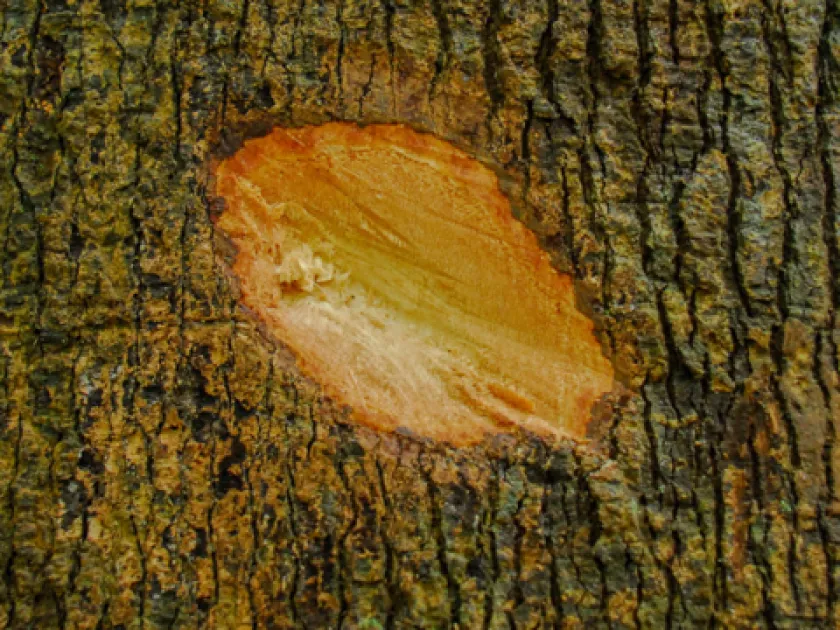
Description
Growing requirements
Sindora klaineana is a significant tree species belonging to the Fabaceae family, native to the tropical rainforests of Central and Western Africa. It is recognized for its robust growth and ecological contribution to tropical forest ecosystems.
The tree thrives in climates characterized by high rainfall and humidity throughout the year. It requires a stable, warm environment, as it is highly intolerant to cold temperatures or prolonged droughts that disturb its development cycles.
Ideal soil conditions for Sindora klaineana include fertile, well-drained alluvial substrates. The tree is often found in lowland areas and near river basins, where moisture levels remain consistently high to support its substantial biomass.
Botanically, the plant is known for its intricate pinnate leaves and distinctive flattened, often spiny pods. These features are typical adaptations within the Sindora genus, aiding in seed protection and dispersal in dense forest environments.
The economic value of this species is primarily derived from its high-density timber. Due to its superior hardness and attractive grain patterns, it is highly sought after for fine carpentry, furniture manufacturing, and decorative interior woodwork.
Main diseases and pests
The most significant threat to Sindora klaineana is deforestation resulting from agricultural expansion and unsustainable logging practices. Its naturally slow growth rate prevents rapid population regeneration in harvested areas.
Insect pests, particularly wood-boring beetles and termites, represent a major biological threat to the harvested timber. If not treated properly, these insects can compromise the structural integrity of the wood within a short period.
Pathogenic fungi pose a constant risk, often infecting the tree through bark wounds or root stress caused by environmental disturbances. These infections can lead to heart rot, significantly reducing the commercial value of the tree.
Intense competition with faster-growing pioneers for sunlight is a critical barrier for seedlings. In the crowded conditions of a natural forest, many young trees fail to reach maturity due to the dense canopy cover.
Sustainable forest management strategies are essential to ensure the longevity of the species. Promoting reforestation programs and establishing protected zones are necessary steps to mitigate the risks of localized extinction.