
Sindora velutina
Sindora velutina
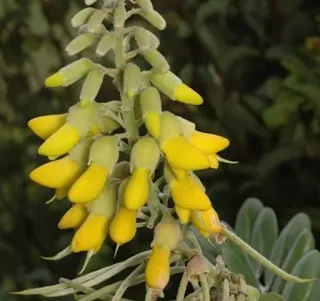
Description
Growing requirements
Sindora velutina is a significant tree species belonging to the Fabaceae family, native to the tropical forests of Southeast Asia. This species is well-regarded for its robust growth habit and its ability to thrive in warm, humid climates where precipitation is abundant throughout the year.
The tree requires well-drained, nutrient-rich soil conditions to reach its full potential, avoiding waterlogged areas that may restrict root development. It is best suited for environments with deep soil profiles that allow for extensive root penetration, which is essential for the stability and nutrient uptake of such a massive tree.
Cultivation practices involve carefully managed site preparation, where removing competing vegetation is critical during the seedling and sapling stages. Sunlight exposure is a key limiting factor, so spacing should be calculated to ensure that each individual has enough light to support steady height growth and canopy development.
Agrotechnical care focuses on regular monitoring of soil nutrition and the application of compost or organic fertilizers during the initial growing seasons. As a slow-growing species, long-term commitment to site maintenance is required to ensure the health and high quality of the timber produced by the mature trees.
Economically, the timber of Sindora velutina is highly prized for its durability, hardness, and decorative grain, making it an excellent choice for luxury furniture, flooring, and architectural interior elements. Sustainable management of plantations ensures a steady supply of this valuable wood while protecting the ecosystem.
Main diseases and pests
Fungal pathogens represent a major threat to Sindora velutina, particularly those affecting the root zone if soil aeration is compromised. Implementing strict drainage management and avoiding soil compaction are primary strategies to prevent the spread of fungal diseases within plantation blocks.
Insect pests, including wood-boring beetles, can significantly reduce the value of timber if infestations are not addressed promptly. Integrated pest management strategies, utilizing natural predators and biopesticides, are the preferred methods for protecting the crop and ensuring the long-term viability of the investment.