
Sindora bruggemanii
Sindora bruggemanii
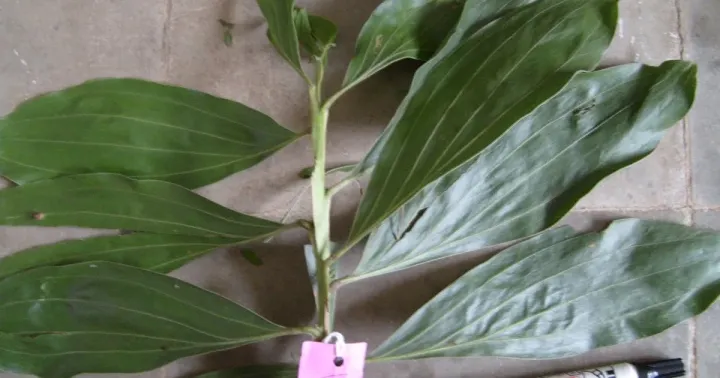
Description
Growing requirements
Sindora bruggemanii is a significant tropical tree species belonging to the Fabaceae family. It is native to the humid forest ecosystems of Southeast Asia, where it contributes to the complex biodiversity of its regional habitats.
The cultivation of this species demands a tropical climate characterized by high atmospheric humidity and minimal seasonal temperature variation. It thrives best in regions where the ambient temperature remains consistently warm throughout the year.
Optimal growth requires well-drained, nutrient-rich soils. The species is sensitive to waterlogged conditions, making the selection of appropriate sites with adequate subsurface drainage essential for plantation success.
Regarding solar radiation, the plant exhibits shade tolerance during its juvenile stages but transitions to a high light requirement as it reaches maturity. Balancing canopy density is a key task for foresters to optimize growth rates.
Agrotechnical management primarily involves selective pruning and thinning. These practices ensure that individual trees have sufficient space for root development and crown expansion, which directly influences the quality of the timber.
Harvesting
The primary economic value of Sindora bruggemanii lies in its high-quality timber. The wood is prized for its hardness, durability, and resistance to environmental stressors, making it a valuable resource for construction and cabinetry.
Furniture manufacturing represents the most significant sector for this material. Due to its attractive grain patterns and stability after proper kiln drying, it is frequently used for high-end decorative interior elements.
Sustainable harvesting protocols are strictly followed to maintain population levels. These methods involve careful assessment of tree maturity and the implementation of reforestation projects to replace harvested specimens.
Scientific research into the species continues, focusing on the potential pharmacological properties of its seeds and leaves. Various bioactive compounds have been identified, indicating potential future utility in the botanical medicine industry.
Maintaining the productivity of these stands requires long-term environmental planning. By monitoring forest health and preventing excessive exploitation, managers ensure that this valuable biological resource remains available for future generations.