
Sindora wallichii
Sindora wallichii
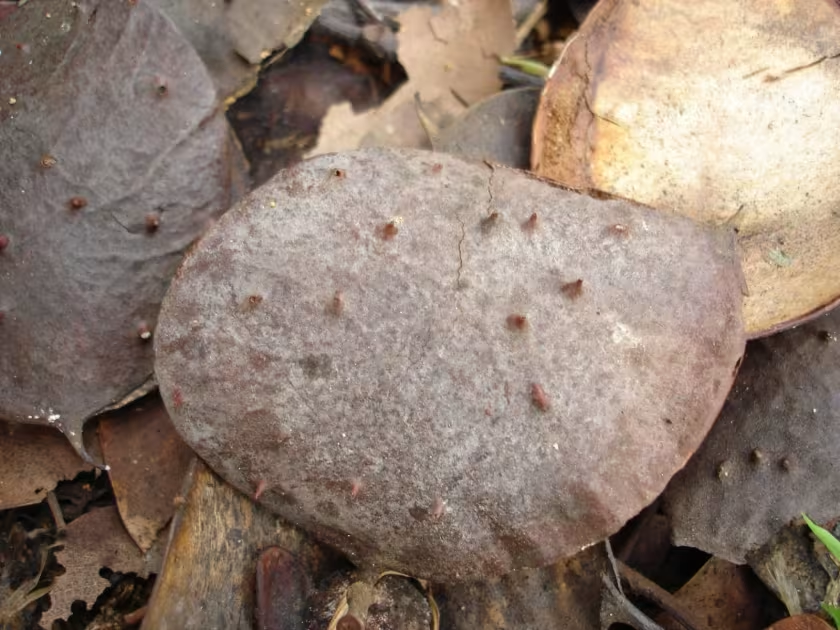
Description
Growing requirements
Sindora wallichii is a prominent tropical evergreen tree belonging to the Fabaceae family. It is native to the lush, humid tropical rainforests of Southeast Asia, including Malaysia, Thailand, and Singapore.
The tree thrives in climates characterized by high annual rainfall and consistently warm temperatures, which are essential for maintaining its vigorous growth rate and metabolic activity.
Soil requirements for this species are specific; it prefers deep, well-draining soils that retain moisture without becoming waterlogged, as stagnant water poses a significant risk to its root system.
While seedlings can adapt to partial shade under the forest canopy, mature trees are highly photophilous and require significant sunlight to develop their characteristic broad, dense crowns.
In silvicultural practices, seeds are subjected to scarification to overcome their hard seed coat, which significantly improves germination success rates in nursery settings.
Main diseases and pests
Habitat loss due to large-scale conversion of forest land into palm oil plantations is the most significant threat to the long-term survival of Sindora wallichii populations.
Seedling development is frequently hindered by fungal pathogens that flourish in poor drainage conditions, highlighting the importance of site preparation for any cultivation attempt.
Various insect pests, common in tropical regions, can cause extensive defoliation or attack young stems, necessitating ongoing monitoring and integrated pest management strategies.
Climate-induced weather anomalies, such as extended drought periods, weaken the trees and make them more susceptible to both biological attacks and physiological damage.
The fragmentation of tropical forest corridors disrupts ecological processes, leading to reduced genetic diversity and difficulties in natural regeneration for the wild populations.
Harvesting
The primary economic value of Sindora wallichii lies in its high-quality timber, which is highly prized for its exceptional density, hardness, and decorative grain patterns.
This wood is extensively used in the production of high-end furniture, fine carpentry, and artistic woodcraft, where durability and aesthetic appeal are paramount requirements.
In addition to timber, the tree produces natural oils that have been historically utilized in localized traditional practices, adding to the cultural value of this species.
Sustainable harvesting remains a critical issue for the industry, as the slow growth rate of the tree necessitates long-term planning and strict conservation oversight.
Reforestation programs often prioritize Sindora wallichii due to its structural importance in the ecosystem and its ability to provide high-value forest products.