
Sindora irpicina
Sindora irpicina
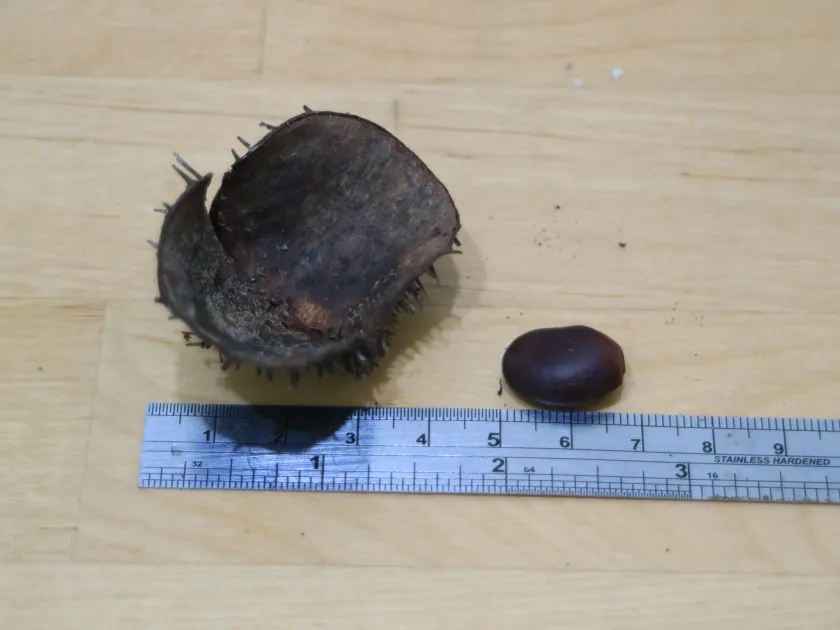
Description
Growing requirements
Sindora irpicina is a robust tree species belonging to the Fabaceae family. It is native to the tropical regions of Southeast Asia, where it plays an integral role in the forest ecosystem structure, contributing to biodiversity and forest productivity.
The tree thrives in environments characterized by high humidity and consistent tropical temperatures. It requires well-drained, nutrient-rich soils to support its substantial biomass and ensure healthy development throughout its life cycle.
Climatic requirements focus on a frost-free environment with well-distributed annual rainfall. The species exhibits a moderate growth rate, provided it has access to adequate soil depth and consistent moisture levels throughout the growing season.
Agricultural and forest management practices prioritize selecting sites with natural drainage to prevent root rot. Proper spacing is essential in plantation setups to ensure that individual trees have access to necessary sunlight for optimal trunk development.
The wood of Sindora irpicina is highly regarded in the timber industry for its density, durability, and aesthetic appeal. It is frequently utilized in high-end furniture manufacturing, interior flooring, and premium architectural finishes.
Main diseases and pests
The primary threat to Sindora irpicina populations is habitat loss caused by deforestation and agricultural land conversion. This fragmentation restricts the genetic exchange between wild populations and increases extinction risk.
Pathogenic threats include soil-borne fungal infections, which typically emerge in waterlogged or poorly managed sites. These fungi target the root system, causing decline in vigor and structural integrity of the tree.
Insects, particularly wood-boring beetles, present a secondary risk. They can damage the structural quality of the timber if infestation levels are not controlled, leading to significant economic losses in managed forests.
Effective management requires strict adherence to silvicultural protocols, including regular thinning and sanitation harvests to remove infected debris. These practices help reduce the spread of pests and diseases across the forest tract.
Conservation efforts are currently focused on reforestation projects aimed at restoring native habitats. Ensuring the health of these trees requires ongoing observation of foliage and bark condition to detect early symptoms of ecological stress.