
Sindora siamensis
Sindora siamensis
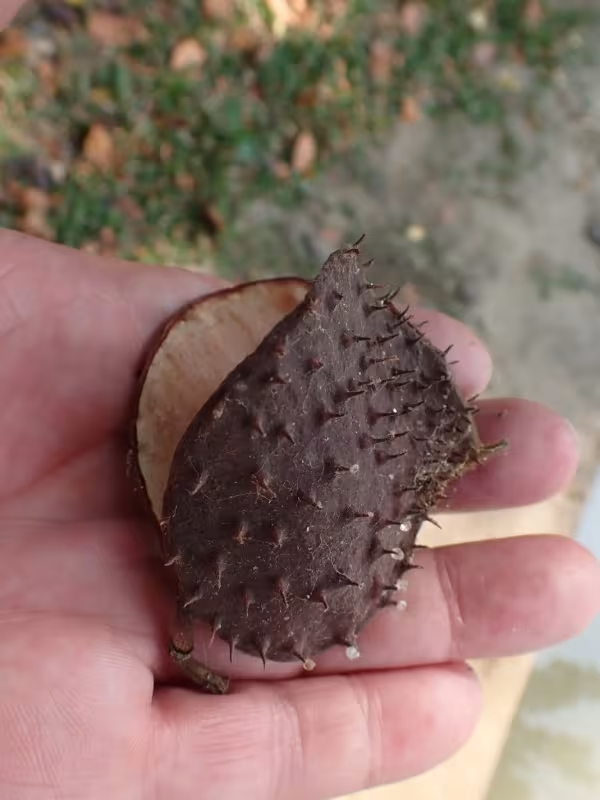
Description
Sowing dates
Sindora siamensis is typically propagated by seeds in its natural range. The seeds possess a hard, impermeable seed coat, which necessitates scarification to improve germination rates in nurseries.
Sowing should align with the onset of the rainy season, ensuring the soil remains sufficiently moist to support initial seedling development. Container-based cultivation is the preferred method for producing high-quality saplings.
A well-draining, organic-rich potting medium is crucial for early growth. Seeds should be sown at a depth of 2–3 centimeters to provide adequate support and ensure proper root development.
Seedlings usually require a nursery period of 6 to 12 months before they are hardy enough to be transplanted to field conditions. Providing partial shade during this stage prevents heat stress.
Hardening off the saplings before transplantation is a critical agronomic step that significantly increases survival rates and promotes healthy establishment in the plantation.
Growing requirements
As a member of the Leguminosae family, Sindora siamensis is a tropical species adapted to the monsoon climates of Southeast Asia, which are characterized by distinct wet and dry seasons.
The species is highly heliophilic and requires substantial sunlight for optimal growth. It thrives best in open areas where it is not overshadowed by faster-growing canopy trees.
It prefers deep, well-drained loamy soils and avoids waterlogged environments. Soil drainage is a primary factor in preventing root diseases and ensuring the long-term health of the trees.
The tree benefits from symbiotic associations with nitrogen-fixing bacteria, allowing it to maintain growth even on moderately nutrient-poor soils found in its native habitat.
Temperatures ranging from 20 to 35 degrees Celsius are ideal for vegetative growth. The species is highly sensitive to frost, which can cause significant damage or death to younger specimens.
Yield
The primary economic value of Sindora siamensis lies in its high-quality timber. The typical rotation cycle for harvesting stands varies between 40 to 60 years, depending on site quality.
The wood is prized for its high density, durability, and attractive grain, making it an excellent choice for luxury furniture, high-end flooring, and decorative woodwork.
Yield productivity is significantly enhanced through active forest management, including selective thinning and pruning to encourage straight, high-quality timber growth.
The species may also yield resins used in traditional medicinal applications and local industrial sectors, adding secondary value to the plantation investment.
Sustainable management practices ensure consistent timber yield while maintaining the integrity of the ecosystem and the long-term productivity of the plantation site.
Main diseases and pests
Young seedlings are particularly vulnerable to soil-borne fungal pathogens that cause root rot. Managing irrigation and maintaining proper soil aeration are the most effective preventative measures.
Stem-boring insects present a challenge to mature trees, as their larvae can cause internal damage to the wood, significantly lowering the market value of the harvested logs.
Defoliating insects can affect growth rates in young stands. Integrated pest management strategies are often required to maintain tree health during periods of heavy infestation.
Fungal leaf diseases associated with high humidity can occur in densely planted nurseries, requiring regular monitoring and adequate ventilation to mitigate spread.
Weed competition is a major limiting factor for young plantations. Regular maintenance of inter-row spaces and weeding are essential to ensure the saplings have access to required nutrients.