
Sindora leiocarpa
Sindora leiocarpa
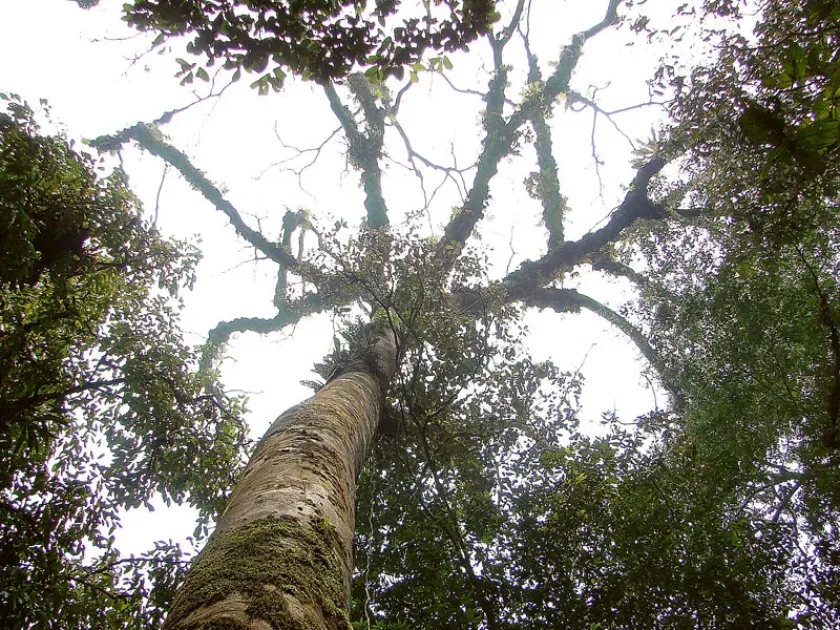
Description
Growing requirements
Sindora leiocarpa is a member of the Fabaceae family, specifically the Caesalpinioideae subfamily. This tropical evergreen tree is naturally found in the lush, humid forests of Southeast Asia, primarily across Thailand, Malaysia, and Indonesia.
The species requires consistently high temperatures throughout the year and significant rainfall to thrive. It favors deep, well-drained alluvial soils or red earths that are rich in organic matter, typical of the tropical forest environments where it is indigenous.
The tree exhibits strong heliophilic tendencies, especially during its juvenile stages, though it can tolerate light shade when growing within the forest understory. It possesses a robust root system capable of sequestering nutrients and moisture, which facilitates survival during brief dry spells.
Biological growth rates for this species are notoriously slow, which is a major consideration for commercial forestry or reforestation programs. It is rarely cultivated as a row crop, typically being managed within forestry plantations or integrated into local agroforestry systems.
Effective agrotechnical management requires close monitoring of stand density to avoid light competition. Optimal conditions involve maintaining high ambient humidity and protecting young seedlings from intense direct sunlight until they reach a sufficient canopy height.
Harvesting
The primary economic value of Sindora leiocarpa lies in its highly durable and aesthetic timber. The wood is recognized for its exceptional hardness, density, and intricate grain patterns, making it a premium choice for high-end furniture manufacturing and fine woodwork.
This timber is considered highly resistant to decay and insect damage, rendering it suitable for various construction applications, including outdoor structures and flooring. Its natural beauty ensures high demand in the interior design and bespoke furnishing industries.
Harvesting is conducted according to sustainable forest management practices. Given the slow maturation rate of the species, intensive industrial extraction is generally avoided in favor of selective logging, which helps maintain the ecological integrity of the forest.
Beyond the timber, specific tree components have been utilized in traditional medicine, though these are secondary to the primary timber market. Wild populations are subject to conservation efforts due to the economic pressure on valuable hardwood species.
Post-harvest management involves careful drying of the timber to prevent cracking or warping during the manufacturing phase. Quality control at the logging site is critical to categorize the lumber properly and remove pieces with internal defects.